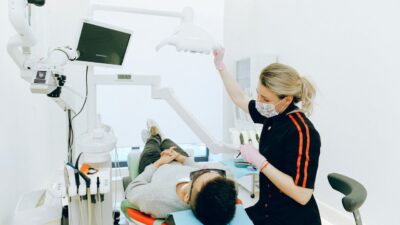


Many Medicaid members ask does Medicaid cover eye exams when planning routine vision care or follow-up visits for eye health concerns. Eye exam coverage under Medicaid is not the same for everyone, as benefits depend on age, state policy, and the reason for the visit.
Does Medicaid Cover Eye Exams?
Many beneficiaries ask does Medicaid cover eye exams before scheduling a vision appointment. In general, Medicaid includes eye exam coverage, but the scope of benefits depends on age, medical need, and state Medicaid rules.
For children and teens, eye exams are a required Medicaid benefit. For adults, eye exam coverage is optional for states, which means access and frequency vary. Because of these differences, does Medicaid cover eye exams must be confirmed using individual plan details.

Who Is Eligible for Eye Exams Covered by Medicaid
Children and Teens (Under 21)
Children and teens under age 21 receive eye exams through Medicaid’s preventive care requirements. These exams support vision development, school readiness, and early detection of eye conditions.
For this group, does Medicaid cover eye exams is generally answered yes, including routine vision screening and follow-up care when issues are found.
Adults (21 and Older)
Adult eye exam coverage depends on state policy. Some states cover routine eye exams for adults, while others limit coverage to medical eye conditions only. Because the benefits vary, adults should always verify plan rules to confirm does Medicaid cover eye exams for routine or medical visits.
>>> Read more: Does Medicaid Cover Vision? 5 Steps to Check Limits by State
What Is Not Paid by Medicaid for Vision Care
- Designer or premium eyeglass frames
Medicaid usually covers only basic frames when glasses are approved. Frames with brand names, upgraded materials, or cosmetic features are not paid for. This exclusion applies even when does Medicaid cover eye exams for the exam itself.
- Lens upgrades beyond standard coverage
Features such as anti-reflective coating, scratch resistance upgrades, or tinted lenses are often not included. Medicaid coverage typically focuses on basic corrective function rather than optional lens enhancements.
- Contact lenses for non-medical use
Medicaid may cover contact lenses only when they are medically necessary, such as after eye surgery or for specific eye conditions. Contacts chosen for convenience or preference are usually not paid.
- Vision correction surgery
Procedures intended to permanently correct vision are not covered under Medicaid vision benefits. This applies regardless of whether routine eye exams are covered.
- Out-of-network vision providers
If services are received from an eye doctor who does not accept Medicaid, payment is commonly denied. This is a frequent reason members question does Medicaid cover eye exams after receiving a bill.
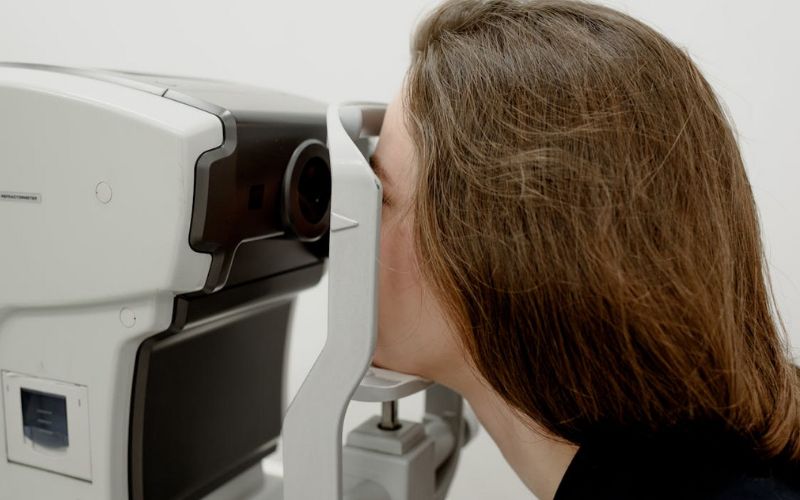
How to Use Medicaid for Eye Exams
Using Medicaid correctly for vision care requires several clear steps. Completing each step helps confirm does Medicaid cover eye exams for your situation and reduces the risk of denied claims or unexpected charges.
Step 1: Check plan benefit rules
Start by reviewing your Medicaid plan benefit rules before scheduling an appointment. These rules explain whether routine eye exams, medical eye exams, or follow-up visits are covered. Plan handbooks, member portals, or official notices usually list exam frequency and coverage limits.
Step 2: Find an in-network eye doctor
Medicaid typically pays only for services provided by in-network eye doctors. Use the list of doctors and eye care providers in your health plan to find an optometrist or ophthalmologist who will accept your Medicaid coverage.
Step 3: Confirm coverage for your visit type
When booking the appointment, confirm the type of visit being scheduled. Coverage rules may differ for routine vision exams, medical eye exams, or follow-up care. The provider’s office can usually confirm how the visit will be billed.
Step 4: Bring your Medicaid ID and plan card
Bring your Medicaid ID card and any managed care plan card to the appointment. These documents allow the provider to verify eligibility and submit claims correctly.
Having current identification reduces delays at check-in and supports accurate processing of eye exam coverage. Many members use a free phone with Medicaid to store digital reminders for appointments and required documents.
Step 5: Keep visit paperwork for follow-up
After the appointment, keep copies of exam results, prescriptions, and visit summaries. These records help with follow-up care, replacement glasses, or coverage questions later. Keeping documentation is especially helpful if coverage questions arise after the visit.
>>> Read more: Does Urgent Care Take Medicaid? Coverage & 5 What to Bring
How to Check Coverage in Your State
- Review your state Medicaid website
State Medicaid websites list covered benefits, including vision services. Look for sections related to vision care or preventive services for current coverage details.
- Read your Medicaid plan handbook
The handbook explains which eye exams are covered, how often they are allowed, and what limits apply. This document provides clear guidance on whether does Medicaid cover eye exams for routine or medical visits.
- Call the member services number on your Medicaid card
Member services representatives can explain coverage details and confirm eligibility. Having a free phone with Medicaid can make it easier to call and manage these questions.
- Ask the eye doctor’s office to verify coverage
Many eye care offices verify Medicaid benefits before appointments. They can confirm in-network status and explain what services are likely to be covered.
- Confirm coverage again after moving states
Medicaid benefits do not transfer between states. If you move, you must reapply and check coverage again. A free phone with Medicaid can help manage enrollment updates and appointment scheduling during this process.
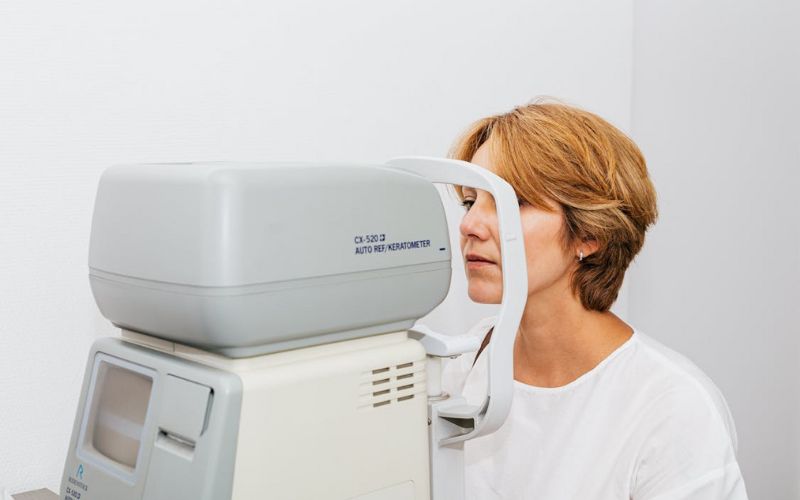
Free Phone With Medicaid When You Eye Exams
Access to communication tools can support Medicaid members when managing healthcare services. Some assistance programs provide a free phone with Medicaid enrollment, which can help beneficiaries stay connected to providers and plan eye exam visits more effectively.
Free phone programs linked to Medicaid enrollment
Some federal assistance programs provide phone services to individuals enrolled in Medicaid. One of the most widely used programs is Lifeline, which offers phone and connectivity support to eligible low-income households, including Medicaid beneficiaries.
Through the Lifeline program, approved service providers such as Airtalk Wireless offer eligible participants access to phone services at no cost or reduced cost. Eligibility is based on active Medicaid enrollment rather than healthcare usage.
How a free phone can help manage Medicaid care
A free phone with Medicaid can help beneficiaries manage their care by allowing regular contact with healthcare providers. Members can use the phone to schedule eye exams, receive appointment reminders, and follow up on coverage questions.
For individuals who rely on Medicaid for vision services, phone access supports tasks such as checking whether does Medicaid cover eye exams under a specific plan or confirming provider network status.
Models free phones you can get
Individuals who qualify for Medicaid may be eligible to receive a phone through a participating provider, subject to provider availability and federal program rules.
Phone models offered through Medicaid-linked programs vary by provider and location. Devices typically support basic calling, texting, and limited internet access.
While phone models may change over time, the purpose remains the same: to help Medicaid members stay connected to healthcare and support services.
Common Questions
Can Medicaid pay for contacts?
Medicaid may pay for contact lenses only when medically required, such as after eye surgery or for specific eye conditions.
Can I get an eye exam more than once a year?
Some plans allow more than one exam per year when medically needed. Routine exams may have yearly limits.
What changes if I move to a new state?
Medicaid coverage does not transfer between states. After moving, you must reapply and check whether does Medicaid cover eye exams under the new state program.
Conclusion
The answer to does Medicaid cover eye exams depends on age, state rules, and visit type. Children usually receive full vision coverage, while adult benefits vary by state. Checking plan details, using in-network providers, and understanding coverage limits help ensure access to eye exams without billing issues.