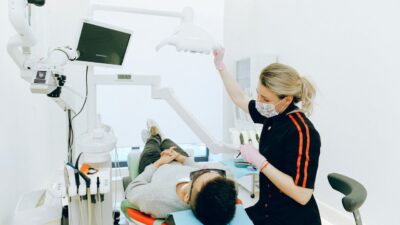


Many people considering orthodontic treatment ask does Medicaid cover Invisalign before starting the application process. Invisalign is a clear aligner system often chosen for comfort and appearance, but it is not treated the same as traditional braces under Medicaid rules.
Does Medicaid Cover Invisalign at All?
Many people ask does Medicaid cover Invisalign when they are advised to seek orthodontic treatment. Medicaid does not list Invisalign as a standard covered dental service. Medicaid programs focus on necessary dental care rather than treatment chosen for appearance or convenience.
When orthodontic treatment is covered, Medicaid often specifies the treatment method. Traditional metal braces are more commonly approved than clear aligners. As a result, does Medicaid cover Invisalign is often answered “no” unless strict conditions are met.

When Invisalign May Be Covered by Medicaid
Although uncommon, there are limited situations in which Invisalign may be reviewed by Medicaid. Approval depends on medical need, documentation, and state policy.
- Severe bite or jaw alignment issues
Invisalign may be reviewed if a severe bite or jaw problem causes functional difficulty. Medicaid focuses on health impact rather than cosmetic alignment when evaluating whether does Medicaid cover Invisalign in these cases.
- Functional problems (chewing, speech, pain)
Clear aligners may be considered when tooth position affects chewing, speech development, or causes ongoing pain. Documentation from licensed providers is required to show that orthodontic treatment is medically needed.
- Orthodontic treatment ordered by a specialist
Medicaid generally requires that orthodontic treatment be ordered by a licensed orthodontist. A general dental opinion alone is usually not enough to support coverage decisions.
- State approval and prior authorization
Even when medical need is present, state approval and prior authorization are required before treatment begins. Without written authorization, Medicaid will not pay, which directly affects does Medicaid cover Invisalign outcomes.
>>> Read more: Does Medicaid Cover Braces? Rules & 7 Steps to Approval
Medicaid Rules That Affect Invisalign Coverage
Adult Medicaid dental benefits
Medicaid does not mandate dental benefits for adults at the federal level. Many state programs limit adult dental coverage to basic services. As a result, does Medicaid cover Invisalign for adults is often answered “no,” even when orthodontic treatment is recommended.
Child Medicaid dental benefits
Children under age 21 receive dental benefits under EPSDT rules. Orthodontic care may be covered when medically necessary, but the treatment method is still subject to state rules. Clear aligners are less commonly approved than braces.
State-by-state differences in orthodontic coverage
Each state defines its own Medicaid dental benefits. Some states allow orthodontic review only for specific conditions, while others restrict coverage more narrowly. This variation explains why does Medicaid cover Invisalign can have different answers depending on location.
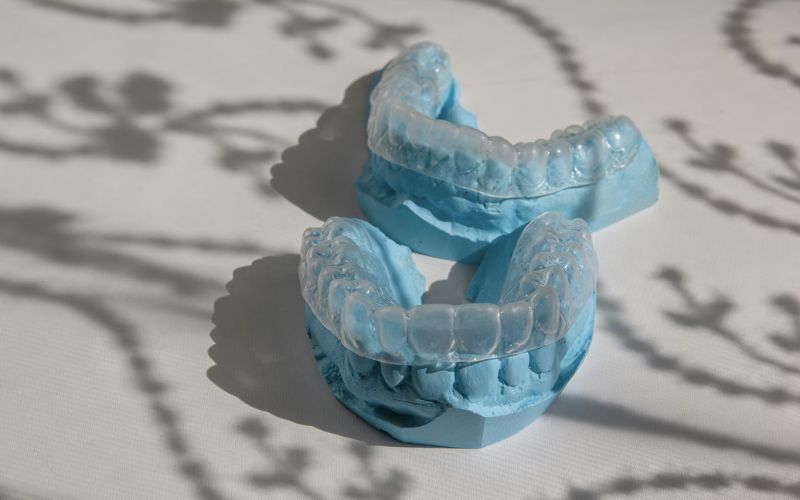
How Do You Get Invisalign When You Can’t Afford It?
When the answer to does Medicaid cover Invisalign is no, many patients look for other ways to manage orthodontic costs. The options below are commonly considered when people ask How do you get Invisalign when you can’t afford it?
Ask About Monthly Payment Plans
Many orthodontic offices offer monthly payment plans that allow patients to spread the total cost of Invisalign over time. These plans are arranged directly with the provider and may not require full payment upfront.
Payment terms vary by office. Patients should ask about down payments, interest, and what happens if treatment is paused or changed. This option is often explored after learning that does Medicaid cover Invisalign does not apply in their case.
Use Dental Schools or University Clinics
Dental schools and university clinics sometimes provide orthodontic care at reduced fees. Treatment is usually performed by supervised dental residents or orthodontic trainees.
Wait times may be longer, and appointment schedules can be more structured. However, this option can lower costs for patients who cannot rely on Medicaid coverage for Invisalign.
Check for Orthodontic Financing Programs
Some orthodontic practices work with third-party financing companies that allow patients to pay over an extended period. These programs are separate from Medicaid and depend on credit approval.
Before enrolling, patients should review repayment terms carefully. Financing is often considered when does Medicaid cover Invisalign is answered negatively but treatment is still needed.
See If a Less Expensive Aligner Is Appropriate
In some cases, orthodontists may recommend a different aligner system or treatment approach that costs less than Invisalign. These options may be suitable for mild to moderate alignment issues.
Patients should ask whether alternative aligners can meet treatment goals safely. This discussion is especially relevant when Medicaid does not approve Invisalign as the treatment method.
Use Health Savings or Flexible Spending Accounts
Health Savings Accounts (HSA) and Flexible Spending Accounts (FSA) may be used to pay for orthodontic treatment, depending on plan rules. These accounts allow payment with pre-tax funds.
This option does not change whether does Medicaid cover Invisalign, but it may reduce out-of-pocket cost for eligible patients.
>>> Read more: Does Medicaid Cover Vision? 5 Steps to Check Limits by State
Common Reasons Medicaid Denies Invisalign
Understanding denial reasons helps explain why does Medicaid cover Invisalign, which is often answered “no,” even when orthodontic care is recommended.
- Cosmetic-only diagnosis
Medicaid does not cover orthodontic treatment used only to improve appearance. If records describe Invisalign as cosmetic, the request is typically denied. Medical documentation must focus on functional impact, not appearance, to meet review standards.
- Lack of specialist documentation
Medicaid usually requires documentation from a licensed orthodontist. Requests submitted without specialist evaluation or supporting records are often denied. Incomplete documentation is a frequent reason families receive a negative answer to does Medicaid cover Invisalign.
- Less expensive alternatives are available
If traditional braces can address the condition, Medicaid may deny Invisalign as a higher-cost option. Medicaid programs often approve the least costly treatment that meets medical standards. This policy applies even when Invisalign is preferred by the patient or provider.
- Missing prior authorization
Medicaid generally requires written approval before orthodontic treatment begins. Starting Invisalign without prior authorization leads to automatic denial, regardless of medical need. This procedural issue is one of the most common denial reasons.

Steps to Check If Invisalign Is Covered in Your State
Before starting treatment, patients should confirm coverage details carefully. The steps below help clarify does Medicaid cover Invisalign at the state level.
Step 1: Confirm your current insurance program
First, confirm whether you are enrolled in state Medicaid or a Medicaid managed care plan. Coverage rules can differ between programs.
Step 2: Identify Your State Medicaid Dental Benefits
Review your state Medicaid website or plan handbook. Look specifically for orthodontic coverage language and exclusions. This step provides initial guidance on does Medicaid cover Invisalign in your location.
Step 3: Check if orthodontic care is limited to medical need
Most Medicaid programs review orthodontic care only when it meets medical need criteria. Confirm how your state defines medical need and whether aligners are mentioned.
Step 4: Contact your Medicaid dental plan provider
Call the dental plan listed on your Medicaid card. Ask directly about orthodontic coverage, treatment methods, and prior authorization requirements. Written notes from this call can be helpful later.
Step 5: Ask an orthodontist who accepts Medicaid
Orthodontists who work with Medicaid are familiar with approval patterns. They can explain whether Invisalign is commonly reviewed or denied in your state. This step helps manage expectations early.
Step 6: Request a written coverage decision
If possible, request written confirmation of coverage or denial. Written responses reduce confusion and help with planning next steps.
Step 7: Review alternative options if Invisalign is not covered
If Invisalign is not approved, discuss other treatment options with the orthodontist. This includes braces or alternative aligners that may fit Medicaid rules or lower-cost paths.
These steps help patients make informed decisions when navigating does Medicaid cover Invisalign and related coverage questions.
>>> Read more: Does Medicaid Cover Dental Implants? Rules & 6 Steps
Common Question About Medicaid Cover Invisalign
Can I Get Invisalign With Medicare?
Many people ask Can I get Invisalign with Medicare? Original Medicare does not cover routine dental or orthodontic care. Some Medicare Advantage plans offer limited dental benefits, but Invisalign is rarely included.
Can Children Get Invisalign With Medicaid?
Children may qualify for orthodontic care when medically necessary. However, even for children, does Medicaid cover Invisalign depends on state rules and whether aligners are approved over braces.
Conclusion
The answer to does Medicaid cover Invisalign depends on age, state policy, and medical documentation. In most cases, Invisalign is not a covered Medicaid benefit, especially for adults. Children may be reviewed under limited conditions, but approval remains uncommon.