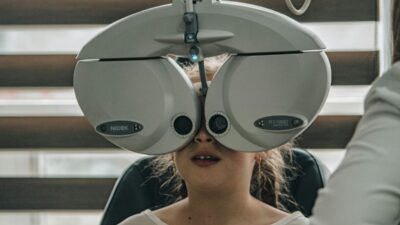

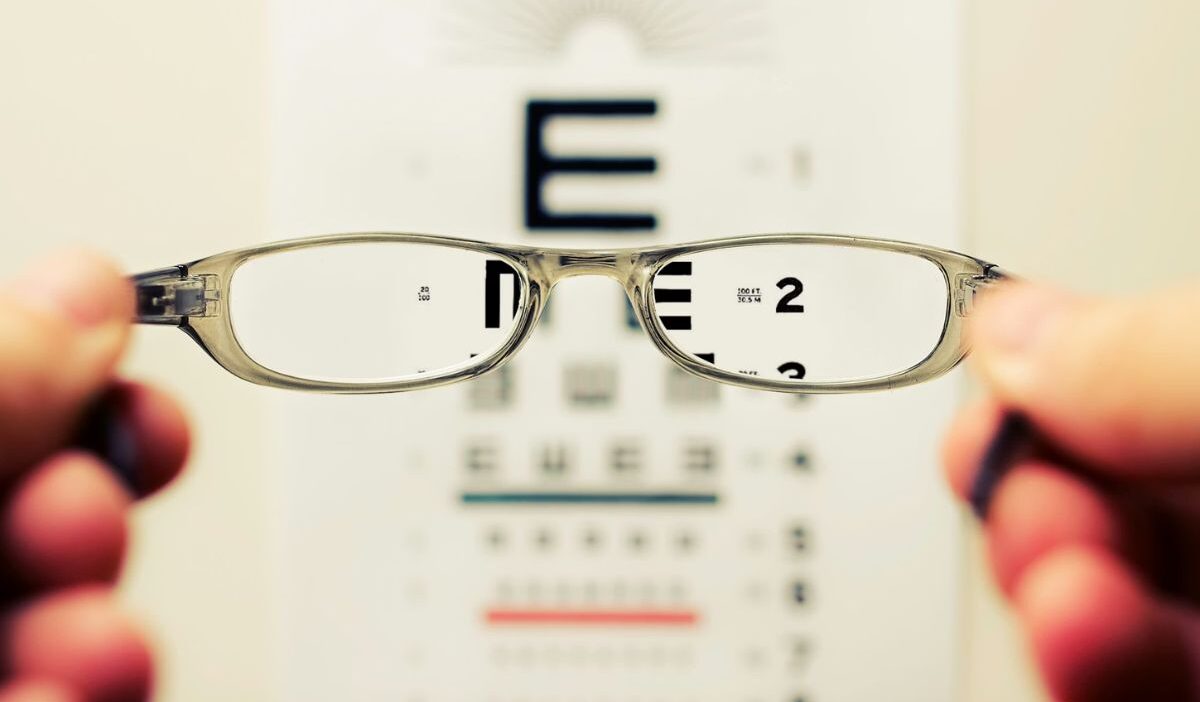
Many Medicaid members ask, “does Medicaid cover vision?” when they need an eye exam, glasses, or follow-up care for vision problems. Vision benefits under Medicaid are not the same in every situation.
Does Medicaid Cover Vision?
People asking “does Medicaid cover vision” when their eyes need some medical attention. The answer depends on age, state Medicaid rules, and the type of vision service requested.
For children and teens, Medicaid includes vision screening and related care as part of required benefits.
For adults, vision coverage is optional for states, which means benefits can differ widely.
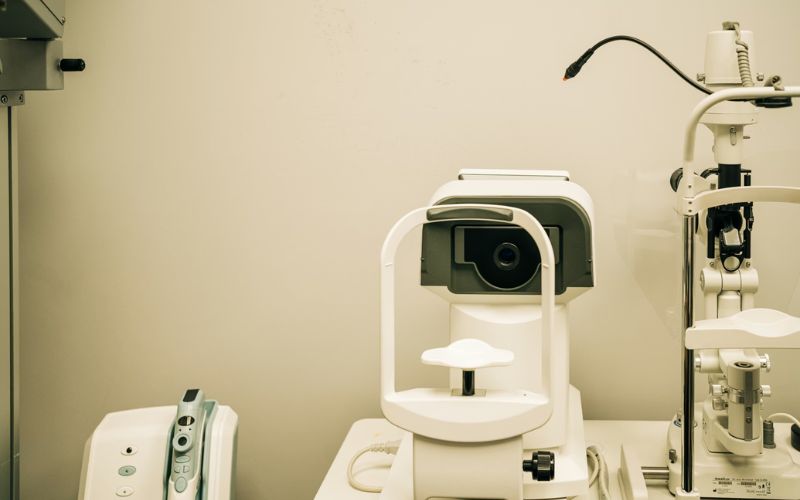
How to Use Medicaid for Vision Care
Using Medicaid for vision care follows a basic process. Completing each step helps confirm “does Medicaid cover vision” for the services you need.
Step 1: Check Your Vision Benefits
Start by reviewing your Medicaid plan handbook or online member portal. These materials list vision services and any limits. This step helps answer “does Medicaid cover vision” for routine exams, medical eye care, or glasses.
Step 2: Find an In-Network Eye Doctor
Medicaid usually pays only for services provided by in-network providers. Use the plan’s provider directory to locate an eye doctor who accepts your Medicaid plan. Use the plan’s provider directory to locate an eye doctor who accepts your Medicaid plan.
Seeing an out-of-network provider can result in denied payment, even if the exam is medically appropriate.
Step 3: Book the Appointment
When scheduling the appointment, tell the office that you have Medicaid. Confirm the visit type, such as routine exam or medical eye care, and ask if any documents are required. This step helps avoid confusion about coverage and costs.
Step 4: Attend the Eye Exam
Bring your Medicaid ID card and photo ID to the appointment. The provider performs the exam based on the visit type approved by the plan.
Patients often ask, “how much does an eye exam cost with Medicaid?” Coverage and cost-sharing vary by state and eligibility. Children’s vision services are often covered with little or no cost, while adults may be responsible for copayments in some cases.
Step 5: Get Glasses or Follow-Up Care
If glasses or follow-up treatment are needed, the provider explains what Medicaid may pay for and any limits that apply. Replacement timing and frame options depend on state rules. This step confirms ongoing vision care under Medicaid coverage.
>>> Read more: Does Medicaid Cover Braces? Coverage Rules & 7 Steps to Approval
What Vision Services Are Often Covered
When asking “does Medicaid cover vision”, it is important to understand which services are commonly included under Medicaid vision benefits. Coverage can vary by state, but the services below are often paid for when provided by an in-network provider.
- Vision screening for children and teens
Medicaid requires vision screening for children under age 21 as part of early and preventive care. These screenings help detect vision problems that may affect learning or daily activities. This is one of the clearest cases where “does Medicaid cover vision” is answered “yes.”
- Routine eye exams for eligible members
In some states, Medicaid pays for routine eye exams for adults, while in others, this benefit is limited or not included. When covered, routine exams are usually provided at little or no cost. This is why many people ask How much does an eye exam cost with Medicaid? before scheduling a visit.
- Medical eye exams for illness or injury
Medicaid often covers eye exams related to medical conditions such as eye infections, injuries, or chronic diseases. These visits are billed as medical care rather than routine vision care and are more widely covered.
- Basic glasses for children
For children who need vision correction, Medicaid often pays for basic frames and lenses. Replacement rules and frequency depend on state policy.
Follow-up visits are linked to covered exams. When an initial exam is covered, follow-up care related to that exam may also be paid by Medicaid, depending on the treatment plan and provider network.
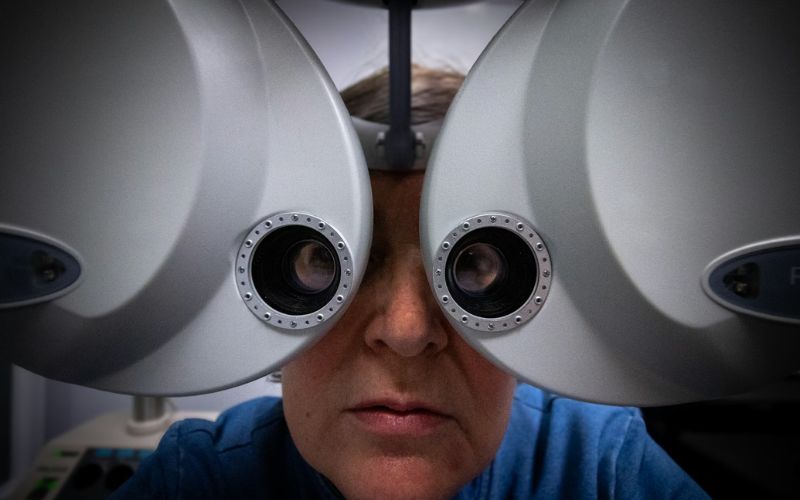
How to Check Your Vision Benefits in Your State
Because Medicaid is administered by states, checking local rules is essential when reviewing does Medicaid cover vision.
- Review your state Medicaid website
State Medicaid websites list covered services, including vision care. Look for sections related to vision or preventive services.
- Read your Medicaid plan handbook
The plan handbook explains covered vision services, frequency limits, and provider rules. This is often the most detailed source for answering “does Medicaid cover vision” for your plan.
- Call the member services number on your card
Member services representatives can explain current benefits and answer questions such as How much does an eye exam cost with Medicaid? for your state and plan.
- Confirm coverage with the eye doctor’s office
Eye care providers can verify coverage and confirm whether they accept your Medicaid plan. This step helps prevent billing issues.
>>> Read more: Does Medicaid Cover Dental Implants? Rules & 6 Steps
What is not covered by Medicaid?
Knowing what is not covered by Medicaid? helps members avoid unexpected charges when seeking vision care.
- Designer frames and premium upgrades
Medicaid usually limits coverage to basic frames and standard lenses. Upgraded materials or branded frames are not paid for under most plans. This is a common example of what is not covered by Medicaid? in vision care.
- Contact lenses for non-medical reasons
Contact lenses are often excluded unless they are medically necessary. Cosmetic or convenience use is usually not covered.
- Vision correction surgery
Procedures intended to correct vision permanently, such as laser-based surgery, are not covered by Medicaid vision benefits.
- Services from out-of-network providers
Medicaid may deny payment for vision services received from providers who do not participate in the plan network. This applies even when the exam itself would normally be covered.
- Exams beyond frequency limits
Some plans limit how often routine eye exams or glasses can be provided. Visits outside these limits are usually not paid.
Conclusion
The answer to “Does Medicaid cover vision?” depends on age, state policy, and service type. Children usually receive broader vision benefits, while adult coverage varies by state. It is advised that checking plan details, using in-network providers, and understanding limits beforehand help members receive vision care without billing issues.