
How many oz in a gallon when measuring liquids for cooking, drinks, or daily use. This question is common because gallons are often used for larger volumes, while recipes and containers frequently list amounts in ounces, cups, or smaller units.
How Many OZ are in a Gallon
The question of how many oz in a gallon is common in cooking, beverage preparation, and daily use. In the United States measurement system, one gallon equals 128 fluid ounces. This means that when a container holds one full gallon of liquid, it contains 128 fluid ounces by volume.
Understanding how many oz are in a gallon helps with portion planning, recipe adjustments, and liquid storage. This standard applies to U.S. liquid gallons. Other measurement systems may use different values.
How Many Oz in a Gallon of Water
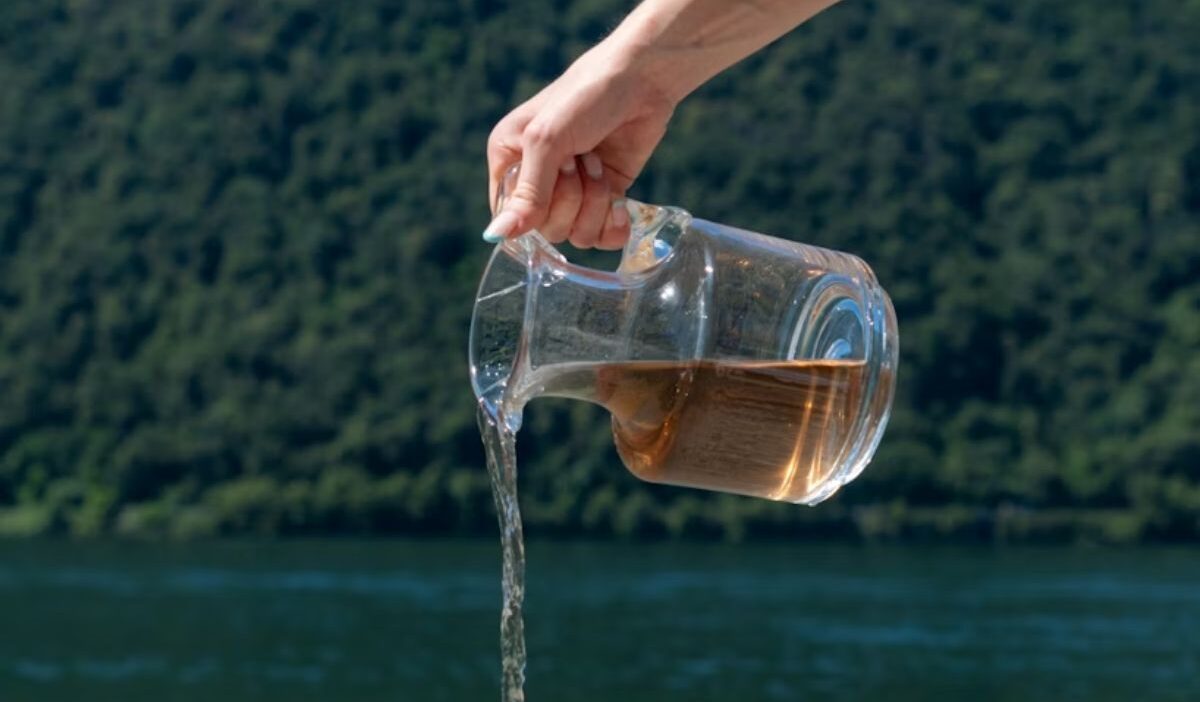
For water, the answer to how many oz in a gallon of water is also 128 fluid ounces. Water follows standard liquid volume measurements used in U.S. kitchens. Because water has a stable density under normal conditions, one gallon of water measures 128 fluid ounces by volume.
This value is commonly used in hydration tracking, cooking, and food service settings. Knowing how many oz in a gallon of water is helpful when dividing water into smaller containers or tracking daily intake.
How Many Oz in a Half Gallon
A half gallon contains half the volume of a full gallon. When measuring a half gallon, the total is 64 fluid ounces. This measurement is often used for milk containers, juice bottles, and drink dispensers.
Since a full gallon holds 128 fluid ounces, dividing it by two gives a clear result. Understanding how many oz in a half gallon helps with accurate portioning and container selection.
>>> Read more: 5 Ways to Use Batana Oil for Hair Effectively & Checklist
Common Conversions People Look Up With Gallons
1 gallon to cups
In U.S. liquid measurements, one gallon equals 16 cups. This conversion is commonly used in cooking and food preparation when recipes list ingredients in cups rather than gallons.
Since how many oz in a gallon equals 128 fluid ounces, and each cup holds 8 fluid ounces, dividing 128 by 8 confirms that one gallon contains 16 cups.
1 gallon to quarts and pints
A gallon can also be broken down into quarts and pints for more precise measurement.
- One gallon equals 4 quarts
- One gallon equals 8 pints
Each quart is one-fourth of a gallon, and each pint is one-eighth of a gallon. Understanding these relationships supports clear portioning and storage decisions.
1 quart and 1 pint to fluid ounces
Breaking gallons into smaller units often requires converting quarts and pints into fluid ounces.
- One quart equals 32 fluid ounces
- One pint equals 16 fluid ounces
These values are consistent across U.S. liquid measurements. When measuring liquids such as milk or juice, using fluid ounces avoids confusion between volume and weight.
Reference Section for Fast Checking
1 gallon in fl oz
One gallon equals 128 fluid ounces under U.S. liquid measurement standards. This value applies to all liquids measured by volume, including water, milk, juice, and cooking liquids.
1/2 gallon in fl oz
One half gallon equals 64 fluid ounces. This value is exactly half of a full gallon. Knowing how many oz in a half gallon helps when dividing liquids into smaller bottles or tracking daily fluid intake.
1 quart in fl oz
One quart equals 32 fluid ounces. Quarts are frequently used in cooking and food preparation, especially for soups, sauces, and liquids cooked in batches. There are four quarts in one gallon. Multiplying 4 quarts by 32 fluid ounces explains how many oz in a gallon using smaller units.
1 pint in fl oz
One pint equals 16 fluid ounces. Pints are commonly used for beverages, ice cream containers, and smaller liquid portions. One quart is made up of two pints, and one gallon contains eight pints.
>>> Read more: How Many Ounces in a Cup? 3 Simple Conversions Explained
Conclusion
The answer to how many oz in a gallon depends on standard U.S. liquid measurements. One gallon equals 128 fluid ounces, while a half gallon equals 64 fluid ounces. These values apply to water and other liquids measured by volume.