

People usually do not look up how many ounces in a cup because they enjoy unit conversions. The question often appears when something goes wrong in the kitchen: a sauce turns watery, baked goods feel dry, or a drink tastes off.
How Many Ounces in a Cup?
Imagine pouring milk into a measuring cup while following a recipe. The cup reaches the “1 cup” line, but the result still feels off. This is usually when people start asking how many ounces in a cup.
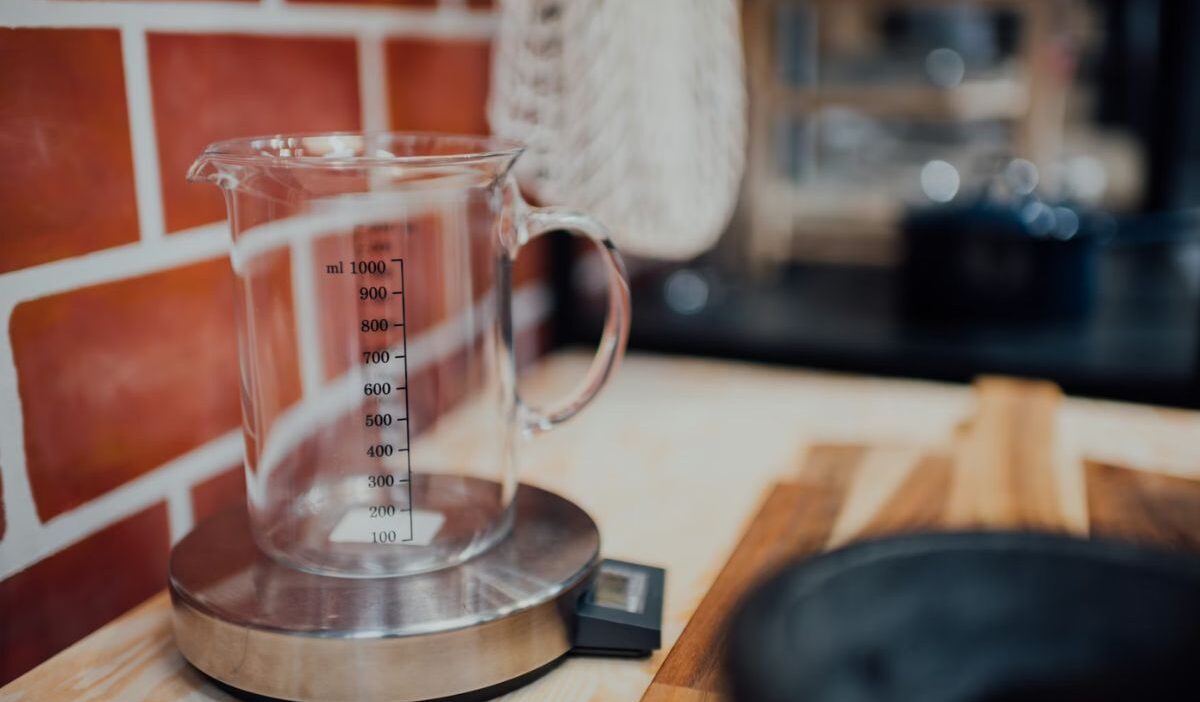
In everyday U.S. kitchen use, a cup filled with liquid reaches a volume that equals 8 ounces. This is why liquid measuring cups are marked with ounce lines alongside cup lines. When the liquid reaches the cup line, the volume matches the expected ounce amount used in recipes.
How Many Fluid Ounces in a Cup
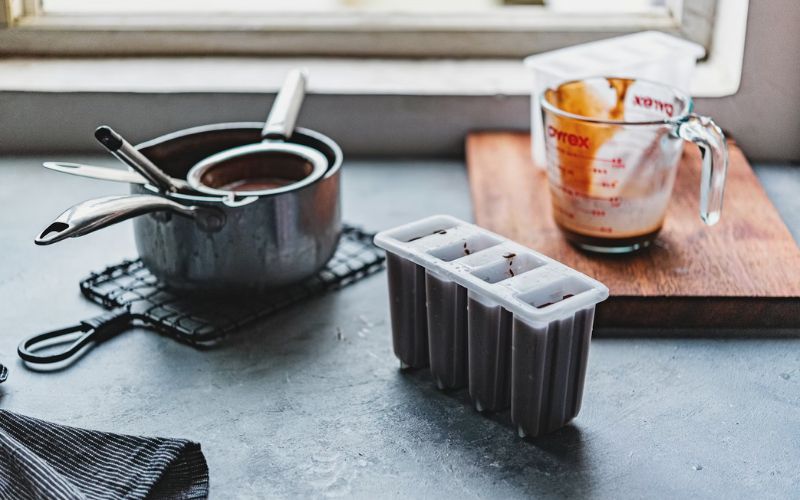
Many kitchens have measuring cups labelled “fl oz,” which leads to confusion. When someone checks the markings and wonders how many fluid ounces in a cup, the answer appears directly on the cup itself.
A standard cup reaches the 8 fluid-ounce mark when filled to the cup line. Fluid ounces measure space, not heaviness. This means liquids with different thicknesses still reach the same level in the cup. Because of this, how many fluid ounces in a cup stays consistent at 8 when measuring liquids.
How Many Ounces Are in a Cup of Water
Water behaves differently from many ingredients, which is why it is often used for comparison. When someone pours water into a cup and checks the scale, they notice something interesting: how many ounces in a cup of water matches the cup’s volume.
A cup filled with water reaches 8 fluid ounces and weighs close to 8 ounces. This alignment happens because water does not compress or trap air the way dry ingredients do. This is why how many ounces in a cup of water feels easier to remember than other conversions in the kitchen.
>>> Read more: 5 Ways to Use Batana Oil for Hair Effectively & Checklist
Ounces vs. Fluid Ounces: What’s the Difference
Many kitchen mistakes happen before cooking even starts. Someone measures flour using a liquid cup or weighs oil on a scale and assumes the numbers should match. This is where confusion begins.
An ounce on a scale refers to weight. A fluid ounce on a measuring cup refers to space. This difference shows why the number of ounces in a cup can change depending on what you’re measuring.
Liquids fill space evenly, so fluid ounces apply. Dry ingredients settle differently, which changes their weight even when the cup looks full.
Does a Cup Equal the Same Ounces?
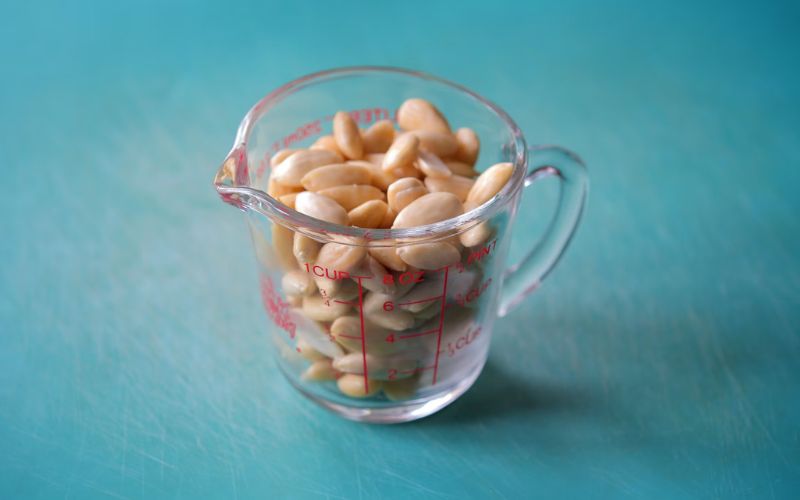
A cup always holds the same amount of space, but what fills that space matters. For liquids, how many ounces are in a cup remains consistent because volume is the focus. Dry ingredients behave differently. Flour can pack tightly or loosely. Sugar settles more densely.
Because of this, two cups that look identical may not weigh the same. This explains why some recipes list cup measurements for liquids and weight measurements for dry ingredients.
Common Measurement Mistakes to Avoid
Most cooking errors related to measurements follow predictable patterns. Knowing how many ounces in a cup helps identify these issues before they affect the final result.
- Confusing ounces with fluid ounces
When someone asks how many fluid ounces in a cup, they are asking about volume. Weight in ounces answers a different question entirely.
- Treating every cup as 8 ounces by weight
The idea that how many ounces are in a cup is always 8 leads to errors with dry ingredients.
- Using the wrong measuring cup
Liquid cups are designed for fluids. Dry cups are meant for scooping. Mixing them leads to inconsistent results.
- Assuming all ingredients behave like water
While how many ounces in a cup of water equals 8 ounces, other ingredients do not behave the same way when measured.
>>> Read more: How Many Oz in a Gallon? 5 Ways Gallon Conversions
Conclusion
The question of how many ounces in a cup cannot be answered without considering how the ingredient is measured. In U.S. kitchens, a cup of liquid equals 8 fluid ounces, and water conveniently matches this by weight. Dry ingredients, however, follow different rules.