
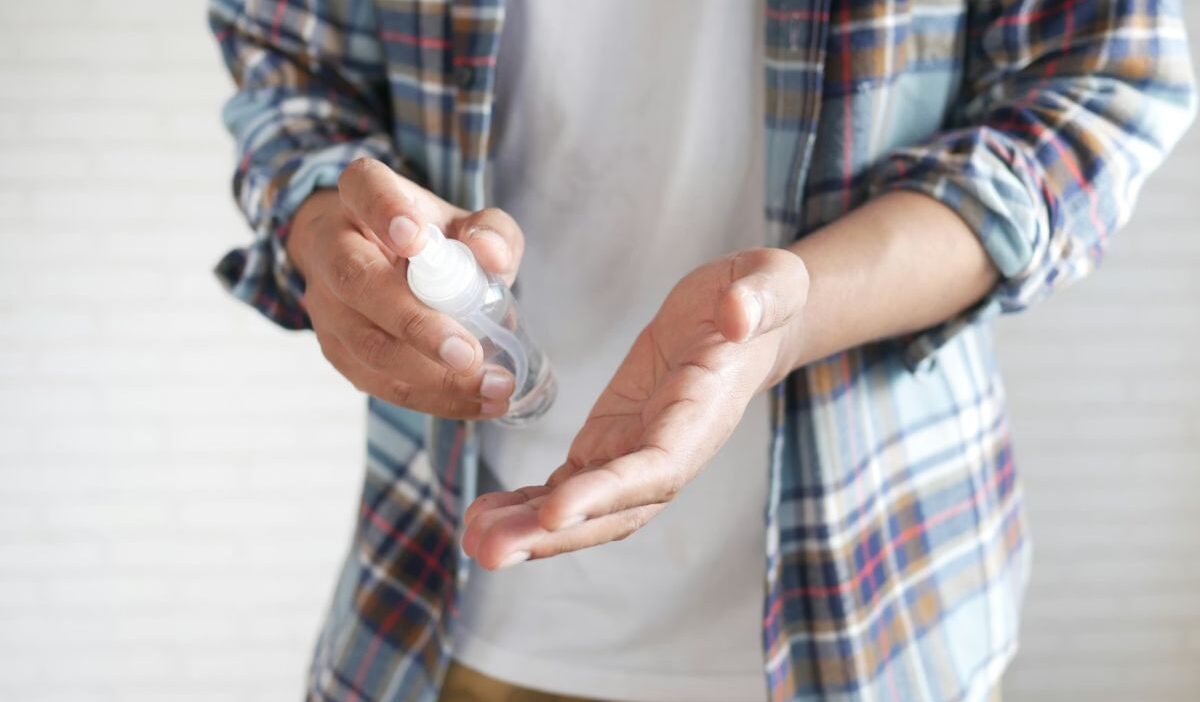
Disinfectant spray is commonly used to reduce germs on hard, non-porous surfaces in homes and public spaces. However, many people are unsure about what antibacterial spray actually does, how it should be applied, and what limits apply to its use.
What Disinfectant Spray Can and Cannot Do
Disinfectant spray is a product used on hard, non-porous surfaces to reduce germs after cleaning. It works by applying chemical agents that act on bacteria and viruses listed on the product label. Antibacterial spray is intended for surface use only and is not a cleaning substitute.
Antibacterial spray can reduce certain germs when used according to label directions. It cannot remove dirt, grease, or visible residue on its own. It also does not treat skin, fabrics, or air.
How to Use Disinfectant Spray the Right Way
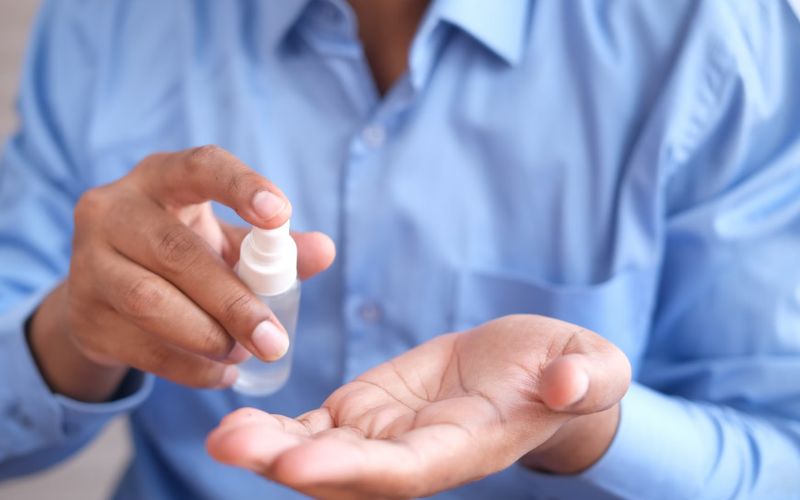
Using germ-killing spray correctly is essential to achieve the level of surface sanitation stated on the product label. Applying germ-killing spray without following the proper steps may reduce its intended effect and lead to incorrect assumptions about surface safety.
Step 1: Remove visible soil first
Before applying the sanitizing spray, all visible dirt, food residue, or grease should be removed from the surface. Organic material can prevent the sanitizing spray from making full contact with the surface.
Step 2: Spray until the surface stays wet
Antibacterial spray must be applied generously so the surface remains visibly wet. Light spraying or quick misting is not enough to meet label requirements. A surface that dries too quickly may not receive full exposure.
Step 3: Leave it wet for the label contact time
Each antibacterial spray lists a required contact time on the product label. For example, when people ask “does disinfectant spray kill mold”, the answer depends on whether the surface remains wet for the listed contact time and whether mold is included on the label.
Step 4: Air dry or wipe only after contact time ends
The surface may be allowed to air dry or wiped, depending on label instructions. Some food-contact surfaces may require a rinse step after antibacterial spray use. Wiping before the contact time ends interrupts the process and may affect performance against listed germs.
>>> Read more: How Many Oz in a Gallon? 5 Ways to Gallon Conversions
Safe Use of Disinfectant Spray
- Read and follow the product label
Antibacterial spray labels list approved surfaces, contact times, and safety instructions. Following label directions is required to ensure proper use and to understand claims such as does disinfectant spray kill mold or other organisms listed.
- Use germ-killing spray in well-ventilated areas
Applying germ-killing spray in areas with airflow helps limit inhalation exposure. Windows or exhaust fans can help reduce lingering fumes.
- Avoid direct contact with skin and eyes
Disinfectant spray is intended for surfaces, not skin. Gloves may be used when applying germ-killing spray for extended periods, especially during repeated cleaning.
- Store germ-killing spray safely
Disinfectant spray should be stored out of reach of children and pets. Containers should remain tightly closed and kept away from heat sources.
- Check expiration dates on commercial products
Many users ask does lysol disinfectant spray expire. Commercial germ-killing sprays often include expiration or production dates. Using products beyond this period may reduce performance.
Where Disinfectant Spray Fits at Home
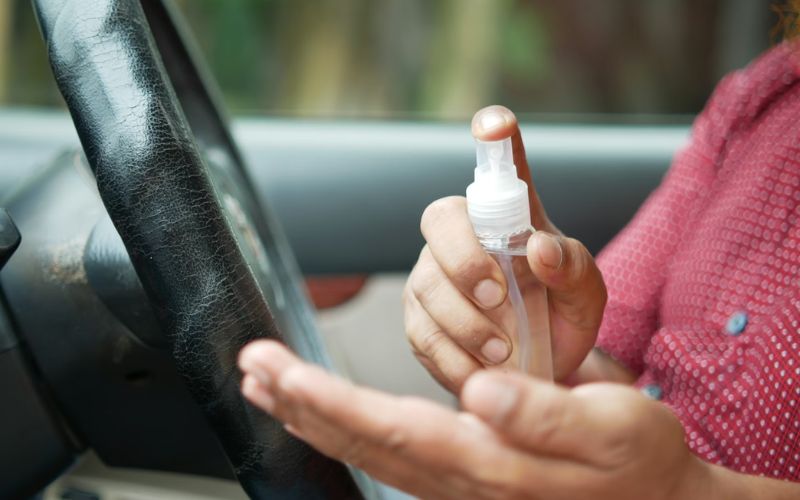
Antibacterial spray is intended for hard, non-porous surfaces in areas with frequent hand contact. Knowing where to apply antibacterial spray helps reduce unnecessary use and improve household hygiene routines.
Kitchen touch points
In the kitchen, antibacterial spray is commonly used on countertops, appliance handles, refrigerator doors, and sink fixtures after cleaning. For food-contact surfaces, label instructions should be followed carefully, including any required rinse after disinfectant spray use.
Bathroom touch points
Bathroom surfaces such as toilet handles, faucet knobs, light switches, and sink counters are typical locations for sanitizing spray. Disinfectant spray is applied after routine cleaning to reduce germs on hard bathroom surfaces.
High-touch items
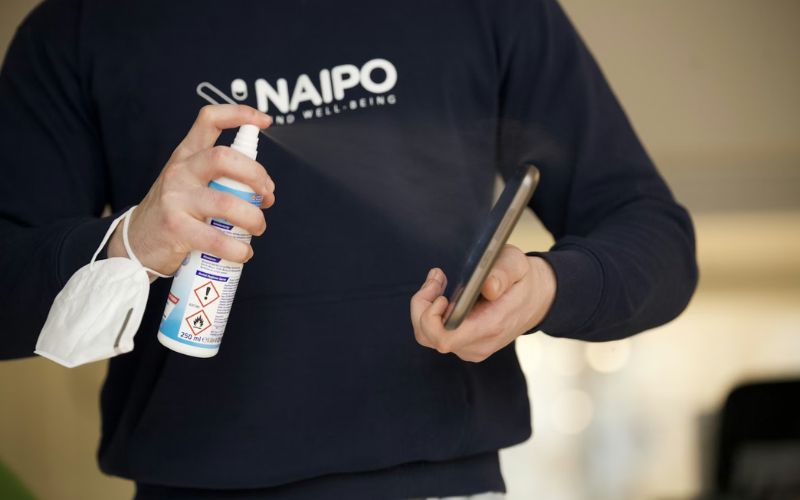
High-touch household items include door handles, remote controls, phone surfaces, and light switches. When using sanitizing spray on high-touch items, care should be taken to avoid excess moisture on electronic devices.
This helps maintain surface safety while reducing germ transfer. Questions such as does disinfectant spray kill bed bugs often arise, but sanitizing spray is intended for surface sanitation, not pest control.
>>> Read more: How Many Ounces in a Cup? 3 Simple Conversions Explained
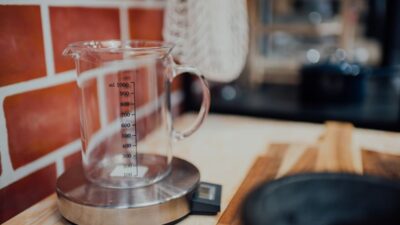
How to Make Disinfectant Spray
- Diluted bleach and water solution
One commonly referenced method for “how to make sanitizing spray” is to use household bleach diluted with water at recommended ratios. This type of sanitizing spray may be used on hard surfaces when mixed correctly.
- Alcohol-based disinfectant spray for small surfaces
Solutions containing alcohol at appropriate concentrations may be used as germ-killing spray for limited surface use. These are typically applied to small, non-porous items such as handles or electronic surfaces, following safety guidance.
- Use only clean containers and fresh mixtures
When learning how to make germ-killing spray, containers should be clean and labeled. Homemade germ-killing spray solutions should be prepared fresh or stored only for short periods, as effectiveness can decline over time.
- Do not mix ingredients
Bleach, ammonia, vinegar, and other cleaners must never be mixed. Mixing products can create harmful fumes. Homemade germ-killing spray should contain only the ingredients specified in approved guidance.
Quick FAQs
Does Disinfectant Spray Kill Bed Bugs?
The question does disinfectant spray kill bed bugs comes up often. Disinfectant spray is not a bed bug treatment. Pest control methods are required for bed bug removal.
Does Disinfectant Spray Kill Mold?
Many ask does disinfectant spray kill mold on household surfaces. Antibacterial spray may affect surface mold on hard materials, but it does not address moisture sources or mold inside porous materials.
Does Lysol Disinfectant Spray Kill Norovirus?
Some products list norovirus on their labels when used with the correct contact time. Always check the EPA registration and label claims.
Does Lysol Disinfectant Spray Expire?
Many sprays have a shelf-life period printed on the container. Storage conditions can affect performance over time.
Conclusion
Disinfectant spray plays a role in surface hygiene when used after cleaning and according to label directions. It works on listed germs, requires proper contact time, and is meant for hard surfaces only.