
How to brew pour over coffee can feel intimidating when every small detail seems to matter, from grind size and water temperature to pouring speed and brew time.
But once the basics are clear, the process becomes less about perfection and more about control. With the right ratio, a steady pour, and a simple bloom, you can make a cleaner, brighter cup without relying on complicated equipment.
Start with the steps below before your next brew turns bitter, weak, or uneven.
1. Setup Before You Brew
Getting the variables right before any water is poured sets the brew up for success. Each element affects extraction, and small adjustments here produce noticeable differences in the cup.
- Dripper and filter. Common drippers include the Hario V60, Chemex, and Kalita Wave. Each has slightly different flow characteristics, so the same basic technique applies, but grind size, pour speed, and total brew time may need small adjustments.
- Kettle. A gooseneck kettle gives control over pour speed and placement that a standard kettle cannot match. It is not strictly required, but it makes consistent pouring significantly easier, particularly when working with a small dripper like the V60.
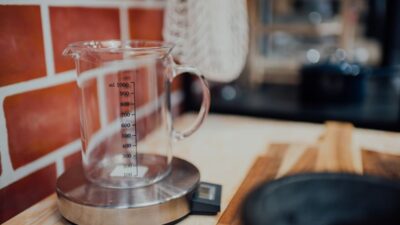
- Scale. A kitchen scale with a timer function is the most useful single tool in pour over. Measuring by weight produces consistent results regardless of grind size or coffee density. Volume measurements like tablespoons vary too much to be reliable.
- Grind size. Use a medium to medium-fine grind, closer to kosher salt or slightly finer. If the water drains too quickly, grind finer; if it stalls, grind coarser. Too coarse and the water passes through too fast, under-extracting and producing a weak, sour cup. Too fine and the water stalls, over-extracting and producing bitterness.
- Water temperature. 92 to 96°C (197 to 205°F) is the standard range for most pour over coffee. Water that is too cool under-extracts. The Specialty Coffee Association can be a useful benchmark, but the best ratio still depends on the brewer, coffee, grind, and taste preference. For a simple starting point, use 1:15 and adjust from there.
- Coffee-to-water ratio. A 1:15 ratio is a reliable starting point: 1 gram of coffee for every 15 grams of water. For a standard 250 ml cup, that is about 17 grams of coffee and 250 grams of water.
2. How to Brew Pour Over Coffee
How to brew pour over coffee has four stages. Each one feeds into the next, so rushing any of them affects the overall extraction.
Rinse the Filter and Add Ground Coffee
Place the filter in the dripper and set it over a mug or server on the scale.
Pour hot water through the filter to rinse it, which removes any papery taste and preheats the brewing vessel.
Discard the rinse water. Add the ground coffee, tap the dripper gently to level the bed, and tare the scale to zero.
Bloom the Coffee
Pour twice the weight of the coffee in water over the grounds, so about 34 grams of water for 17 grams of coffee. Pour in a slow, even spiral from the center outward, making sure all the grounds are saturated.
The coffee will bubble and expand as trapped carbon dioxide gases release. Wait 30 to 45 seconds. This bloom stage degasses the coffee and ensures even extraction in the subsequent pours.
Pour Slowly in Stages
After the bloom, continue pouring in slow, circular spirals from the center outward and back again.
Add water in stages rather than all at once, pausing between pours to let the water level drop before adding more. Keep the pour gentle and controlled.
Aggressive pouring can disturb the coffee bed and contribute to channeling or uneven extraction, where water finds fast paths through the bed and skips over large sections of coffee.
Aim to reach the full target water weight in three to four total pours, including the bloom. The final pour should bring the total weight to the target, typically 250 grams for a single cup.
Let It Drain and Serve
Once the final pour is complete, let the dripper drain fully before removing it. The water should draw down evenly, leaving a flat bed of spent grounds. An uneven or hollow bed can indicate channeling during the brew.
Pour the finished coffee into a preheated cup and serve immediately, since pour over cools faster than coffee from an insulated brewer.
3. Brew Time and Pouring Pace
Understanding how long to brew pour over coffee is one of the most useful calibration tools available.
Total brew time from first pour to final drain should fall between 2.5 and 4 minutes for most single-cup brews.
Under 2.5 minutes suggests the grind is too coarse or the pour was too fast. Over 4 minutes suggests the grind is too fine or the pour was too slow.
Adjust one variable at a time when the brew time is off. Changing both grind size and pour speed simultaneously makes it impossible to identify which one caused the problem.
Start with grind size, since it has the largest single effect on flow rate.
4. Common Pour Over Mistakes to Avoid
Knowing how to brew perfect pour over coffee is as much about avoiding common errors as it is about technique. A few mistakes come up consistently, particularly in the early stages of learning.
- Skipping the rinse. An unrinsed paper filter adds a detectable papery flavor to the cup, particularly with lighter roasts. The rinse takes 15 seconds and is worth the time.
- Skipping the bloom. Pouring all the water at once without a bloom produces uneven extraction since CO2 escaping from the grounds repels water during the initial pour. The bloom lets this happen in a controlled way before the main extraction begins.
- Pouring too fast. A fast pour agitates the grounds, causes channeling, and reduces contact time between water and coffee. A slow, steady spiral keeps the bed stable and extraction consistent.
- Inconsistent grind. Pre-ground coffee from a blade grinder produces an inconsistent particle size with too many fines, which clog the filter and lead to over-extraction. A burr grinder produces a uniform grind that flows and extracts predictably.
- Not preheating the equipment. A cold dripper and cup pull heat from the brew quickly, dropping the extraction temperature. Rinsing the filter with hot water preheats both at once.
>>>Read more: How Many Tablespoons in a Cup? Easy Conversion Chart 2026
5. FAQs
Can I Use Regular Ground Coffee for Pour Over?
Yes, but grind size matters. Most pre-ground supermarket coffee is ground for drip machines, which is a medium grind that works reasonably well for pour over.
Should I Stir or Swirl the Coffee Bed?
A gentle swirl of the dripper after the bloom and after the final pour helps level the coffee bed and ensures even extraction. Stirring with a spoon works too but can agitate the grounds more than a swirl.
Is Pour Over Better With Paper or Reusable Filters?
It depends on preference. Paper filters produce a cleaner, brighter cup by trapping coffee oils and fine particles. Reusable metal filters allow oils through, producing a heavier body with more texture.
Can I Make Pour Over Coffee Without a Scale?
Yes, but results will be less consistent. A common volume approximation is two level tablespoons of ground coffee per 180 ml of water. For best results, use the same scoop and measure the same way each time.
Conclusion
Learning how to brew pour over coffee is really about slowing down and paying attention to the cup in front of you. Each pour gives you a little more control over flavor, aroma, and balance, which is what makes the method so satisfying once it clicks.
Even if the first few attempts are not perfect, each brew teaches you what to adjust next. Over time, pour over becomes less like a strict recipe and more like a quiet routine that makes the coffee feel worth the effort.