
How many tablespoons in a cup is one of the most common kitchen conversion questions.
It usually comes up when you’re halving a recipe, scaling ingredients, or reaching for a measuring spoon instead of a measuring cup. A quick conversion can save time and help keep ingredient amounts accurate.
The good news is that cup-to-tablespoon conversions are simple once you know the basic formula.
This guide covers the most common conversions, a handy reference chart, and several related kitchen measurements that make cooking and baking easier.
1. How Many Tablespoons in a Cup?
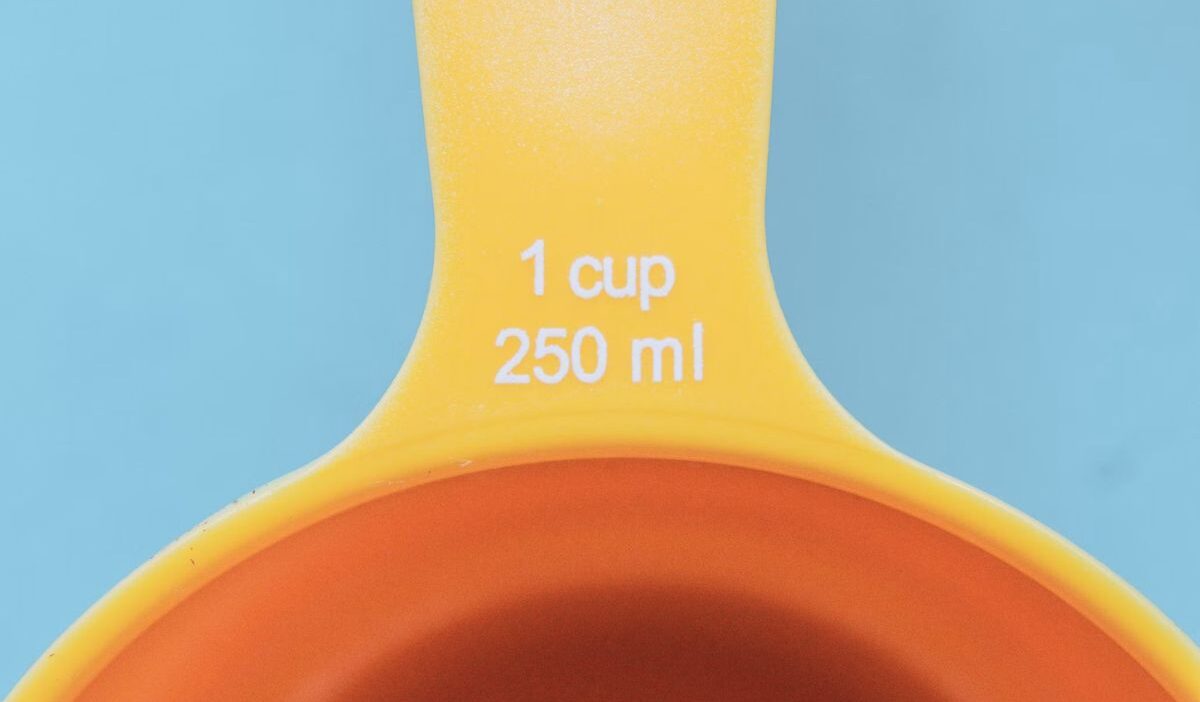
The standard measurement conversion tables define 1 cup as 16 tablespoons. This conversion applies to volume measurements for both liquid and dry ingredients.
However, the weight of ingredients can vary significantly. If you’ve ever wondered how many tablespoons are in a cup, the answer is straightforward:
| Cups | Tablespoons |
| 1 cup | 16 tablespoons |
| 3/4 cup | 12 tablespoons |
| 1/2 cup | 8 tablespoons |
| 1/4 cup | 4 tablespoons |
Knowing this single conversion makes it much easier to adjust recipes without reaching for multiple measuring cups.
2. Common Cup-to-Tablespoon Conversions
When figuring out how many tablespoons in a cup, it’s helpful to know the most common fractional conversions, since many recipes call for portions of a cup rather than a full cup.
- 1/4 Cup = 4 Tablespoons
A quarter cup equals 4 tablespoons.
If you’re searching how many tablespoons in a quarter cup or how many tablespoons in a 1/4 cup, the answer is always 4 tablespoons.
- 1/3 Cup = 5 Tablespoons + 1 Teaspoon
One-third cup equals 5 tablespoons plus 1 teaspoon.
Since a tablespoon contains 3 teaspoons, this combination provides a close and commonly accepted kitchen conversion.
- 1/2 Cup = 8 Tablespoons
Half a cup equals 8 tablespoons.
Many recipes use this conversion, which is why it remains one of the most common kitchen measurement questions.
- 3/4 Cup = 12 Tablespoons
Three-quarters of a cup equals 12 tablespoons. This measurement appears often in baking recipes, sauces, dressings, and homemade dessert mixtures.
3. Tablespoon-to-Cup Conversion Chart
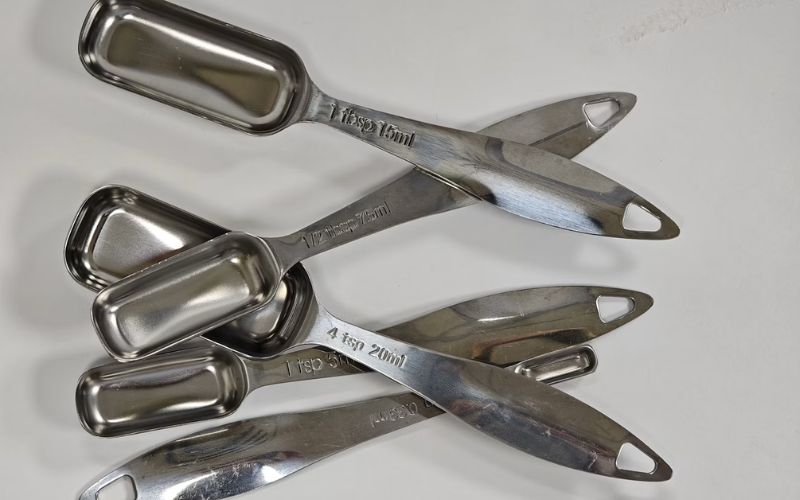
Since a cup equals 16 tablespoons, all other cup measurements can be calculated from that starting point. The charts below cover the measurements most used in home kitchens.
Small-batch recipe measurements
Small-batch recipes often use fractions of a cup rather than full-cup measurements. These conversions are helpful when cooking for one or two people, testing a new recipe, or reducing ingredient quantities.
| Tablespoons | Equivalent Cups |
| 1 tbsp | 1/16 cup |
| 2 tbsp | 1/8 cup |
| 4 tbsp | 1/4 cup |
| 5 tbsp + 1 tsp | 1/3 cup |
| 8 tbsp | 1/2 cup |
| 12 tbsp | 3/4 cup |
| 16 tbsp | 1 cup |
Large-batch recipe measurements
Knowing how many tablespoons in a cup can be especially helpful when preparing food for holidays, parties, meal prep, or family gatherings, as it makes scaling larger recipes much easier.
| Tablespoons | Equivalent Cups |
| 24 tbsp | 1 1/2 cups |
| 32 tbsp | 2 cups |
| 48 tbsp | 3 cups |
| 64 tbsp | 4 cups |
| 80 tbsp | 5 cups |
| 96 tbsp | 6 cups |
>>> Read more: How Many Ounces in a Cup? 3 Simple Conversions Explained
4. Related Kitchen Conversions Reference
Many cooks who search how many tablespoons in a cup also need other measurement conversions during food preparation.
Cups to teaspoons
Since 1 tablespoon equals 3 teaspoons and 1 cup equals 16 tablespoons:
- 1 cup = 48 teaspoons
- 1/2 cup = 24 teaspoons
- 1/4 cup = 12 teaspoons
Cups to fluid ounces
In the U.S. measurement system:
- 1 cup = 8 fluid ounces
- 1/2 cup = 4 fluid ounces
- 1/4 cup = 2 fluid ounces
According to the U.S. National Institute of Standards and Technology (NIST), these are standard volume conversions used throughout the United States.
Cups to millilitres
Metric conversions can be useful when following international recipes.
- 1 cup = approximately 236.6 millilitres
- 1/2 cup = approximately 118.3 millilitres
- 1/4 cup = approximately 59.1 millilitres
Tablespoons to millilitres
It’s also helpful to know the standard U.S. measurement conversions commonly used in cooking and baking:
- 1 tablespoon = approximately 14.8 millilitres
- 2 tablespoons = approximately 29.6 millilitres
- 4 tablespoons = approximately 59.1 millilitres
>>> Read more: How Many Ounces in a Gallon? US and Imperial Conversions Explained
5. FAQs
How many tablespoons are in 3/4 cups?
There are 12 tablespoons in 3/4 cup. Since 1 cup equals 16 tablespoons, you can calculate the conversion by multiplying 16 × 3/4, which equals 12.
How many tablespoons are in 2 cups?
There are 32 tablespoons in 2 cups. Since 1 cup equals 16 tablespoons, doubling the amount gives 32 tablespoons.
How many tablespoons in half a cup?
There are 8 tablespoons in half a cup. Since 1 cup equals 16 tablespoons, half of a cup equals 8 tablespoons. This conversion is commonly used when measuring ingredients for cooking and baking.
Are dry and liquid tablespoons measuring the same way?
Yes. A standard U.S. tablespoon measures the same volume for both dry and liquid ingredients. The difference comes from the measuring tools used, not the tablespoon itself.
Conclusion
How many tablespoons in a cup? The answer is 16 tablespoons per cup. It’s a small piece of kitchen knowledge, but one that can make cooking and baking feel much more approachable.
With a reliable conversion chart on hand, you can spend less time second-guessing measurements and more time enjoying the moments that make homemade meals special.