
Batana oil has been used in traditional hair care practices for its conditioning properties and heavy texture. In modern use, it is mainly applied to help reduce dryness, limit moisture loss, and improve the surface feel of hair strands.
What Is Batana Oil?
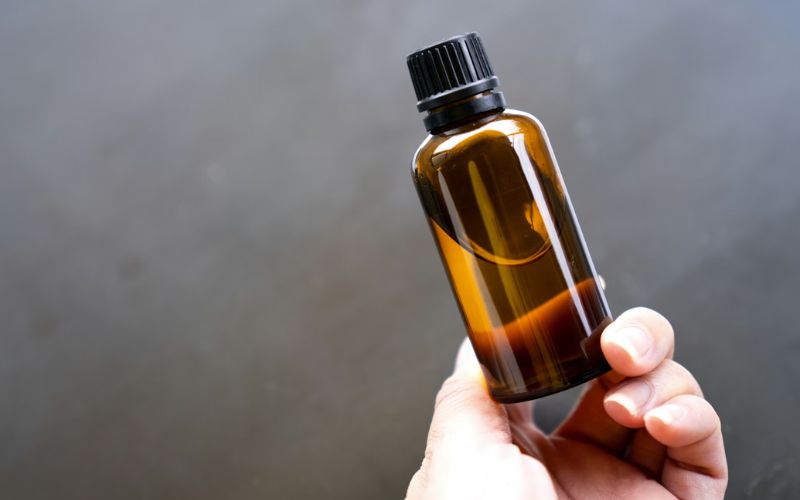
Batana oil is a plant-based oil obtained from the nut of the American oil palm, commonly linked to traditional hair care practices in parts of Central America. The oil is thick, dark brown, and has a strong natural scent.
Batana is mainly applied to hair and scalp as a conditioning oil rather than a styling product. In hair care use, batana is valued for its high lipid content. These lipids coat the hair shaft and reduce moisture loss.
Batana oil is not a drug, not a medical treatment, and not a substitute for professional care. Batana is mainly used on dry, textured, or damaged hair that needs extra moisture support.
What hair types is Batana oil suitable for?
Batana Oil is a thick oil that mainly works by coating the hair surface. Because of this, it fits some common hair types better than others.
Curly or Wavy hair
Curly and wavy hair often struggles with dryness because natural scalp oils do not travel evenly along the hair strand. Batana can help reduce moisture loss by forming a protective layer on the hair.
For this hair type, batana is usually applied to mid-lengths and ends rather than the scalp. Small amounts are enough to support softness without leaving heavy residue.
Thick or Coarse Hair
Thick or coarse hair strands can tolerate heavier oils more easily. Batana Oil can coat these strands without making the hair appear flat. People with thick hair often use batana as a weekly conditioning oil, especially after washing or before protective styling.
Dry or Damaged Hair
Hair that feels dry due to heat styling, coloring, or environmental exposure may benefit from Batana Oil’s coating effect. The oil can help limit further moisture loss and reduce friction between strands. Use is typically limited to one or two times per week to avoid buildup.
>>> Read more: How Many Ounces in a Cup? 3 Simple Conversions Explained
How to Use Batana Oil for Hair
This section explains how to use batana in a controlled and consistent way so that the oil can coat the hair evenly without causing buildup.
Step 1: Start With Clean, Dry or Slightly Damp Hair
Hair should be free from dirt, sweat, and product residue before applying batana. A clean hair surface allows batana to spread evenly along the hair shaft instead of sitting on top of buildup. Batana oil can be applied to dry hair or hair that is slightly damp after washing.
Slightly damp hair often helps with smoother distribution, especially for thick or textured hair types. Avoid applying batana to heavily styled hair, as styling products can block direct contact between the oil and the hair surface.
Step 2: Warm a Small Amount of Batana Oil
Batana has a dense texture. Warming a small amount between the palms helps soften the oil and makes application easier. Only body heat should be used. Direct heat sources can change the texture of batana and reduce consistency.
A small amount is usually enough, especially for medium-length hair. Using more batana than needed does not improve results and may increase residue.
Step 3: Apply to Scalp or Hair Ends
Batana oil can be applied either to the scalp or to the hair ends, depending on hair needs. For dry scalp conditions, a small amount of batana can be placed directly on the scalp using fingertips.
For dryness or breakage, focus application on mid-lengths and ends. Fine hair or oily scalp types often limit batana use to the ends only. This approach supports moisture control without weighing the hair down.
Step 4: Massage and Let It Sit
After application, a gentle massage helps distribute batana across the scalp or hair strands. Massage should be light and even, using fingertips rather than nails. Batana is usually left on the hair for 20 to 60 minutes.
This time allows the oil to coat the hair surface and reduce moisture loss. Longer application times are sometimes used during pre-wash routines, while shorter times fit regular conditioning routines.
Step 5: Rinse or Leave In Based on Your Routine
Batana can be rinsed out with shampoo or left on the hair in very small amounts. Rinsing is common for people who use batana as a pre-wash treatment. Leaving the oil in is usually limited to hair ends and only a minimal amount.
Possible Side Effects Use Batana Oil
Batana is generally used for hair conditioning, but side effects may occur depending on skin sensitivity, hair type, and usage amount.
- Scalp irritation in sensitive individuals
Batana may cause itching, redness, or discomfort on sensitive scalp skin. This reaction is more likely when batana is applied directly to the scalp in large amounts. A patch test before full use helps reduce this risk.
- Residue buildup on hair and scalp
Because batana has a thick texture, frequent use can lead to buildup. This may make hair feel heavy or look dull. Understanding how to use batana in moderation helps limit residue concerns.
- Clogged pores along the hairline
Batana can block pores if applied repeatedly near the hairline or forehead. This is more common for people with acne-prone skin. Limiting the application to hair lengths rather than skin areas can reduce this issue.
- Greasy appearance on fine hair
Fine hair may not tolerate dense oils well. Batana can weigh down fine strands and reduce volume. In these cases, use is often limited to the ends only.
>>> Read more: How Many Oz in a Gallon? 5 Ways to Gallon Conversions
How to Choose Real Batana Oil
Selecting a genuine batana is important for safety and consistent use. The points below help identify real products.
Check the ingredient list of Batana Oil carefully
Real batana oil should list batana as the primary ingredient. Products with long ingredient lists or added fragrance may not represent pure batana.
The color and texture are typically dark brown and have a dense consistency. Very light-colored or watery products labeled as batana may contain diluted formulas.
Notice the natural scent
An authentic batana has a strong, earthy scent. A fragrance-free or artificially scented product may indicate added ingredients.
Review packaging quality
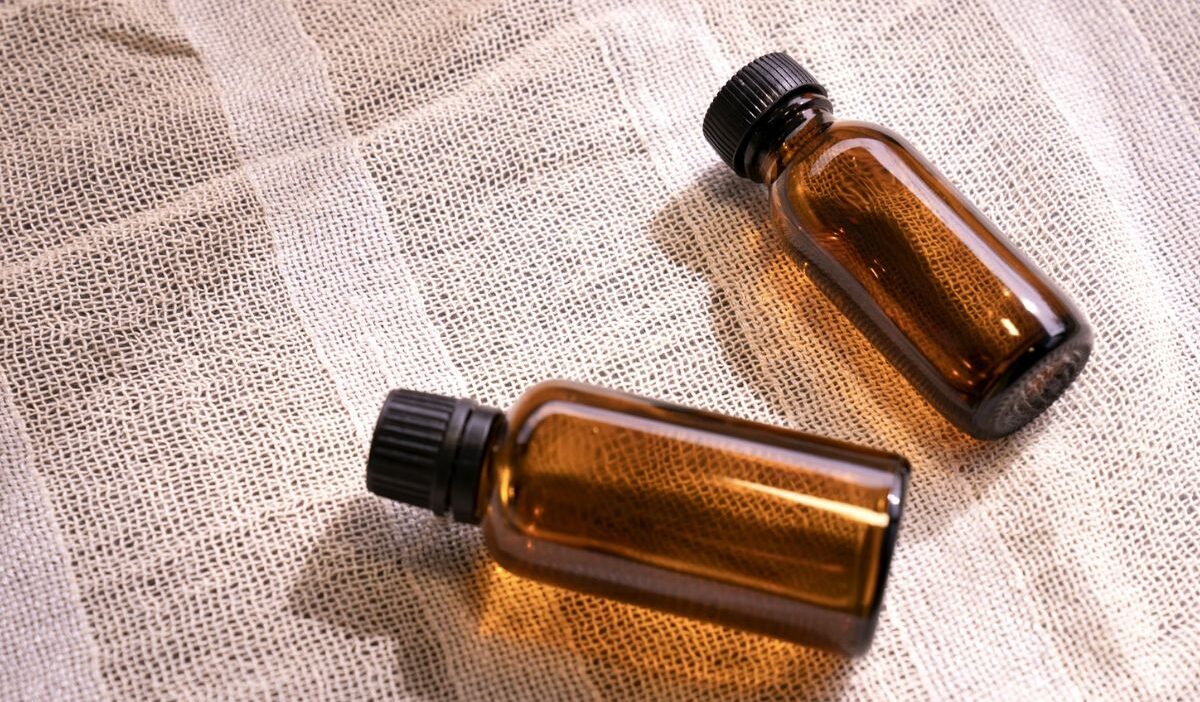
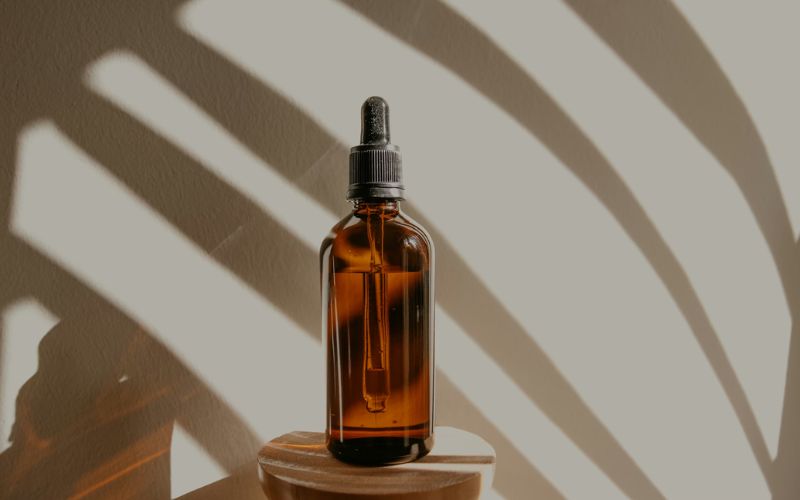
Batana is sensitive to heat and light. Dark glass containers or tightly sealed packaging help maintain product stability during storage.
Avoid products with unrealistic claims
Statements that batana can create new hair growth should be viewed cautiously. There is no evidence that does batana oil grow hair in a medical sense. Batana oil supports hair conditioning, not hair regrowth.
Common Questions About Batana Oil
Is Batana Oil Good for Hair?
Many users apply batana oil to help reduce dryness and improve hair appearance. Is batana oil good for hair, depending on hair type and usage amount? It works best for hair that needs strong moisture support.
Does Batana Oil Grow Hair?
There is no clinical evidence showing that batana oil creates new hair growth. Does batana oil grow hair is a common question, but current data only supports its role in reducing breakage and dryness, which may help hair retain length.
Conclusion
Batana oil is a heavy conditioning oil used mainly for moisture care. When applied in small amounts and at the right frequency, batana oil can support hair softness and reduce dryness. It is not a treatment for hair loss or medical scalp conditions.