

Have you ever stood in front of a makeup counter and wondered, “what is my skin tone?” You’re not alone. Many people struggle to describe their own complexion or choose products that truly match them. Knowing your skin tone is one of the most important steps in building a beauty routine and personal style that actually works for you.
If you’ve been asking “what color is my skin tone?”, this guide will walk you through everything you need to know, from understanding basic skin tone categories to simple ways to identify your own at home.
Main Types of Skin Tones
Most skin tones fall into four general groups. Identifying which category you belong to is the first step toward answering what color is my skin tone.
Fair or Light Skin Tone
Light skin tones are usually pale or porcelain-like. People in this group often burn easily in the sun and may have visible redness or freckles. Soft, cool, and pastel colors typically look very natural on this tone.
Medium Skin Tone
Medium skin tones range from light beige to warm tan shades. This group tends to tan more easily and usually has a wider range of flattering makeup options.
Tan or Olive Skin Tone
Olive or tan skin tones have a natural golden or slightly greenish hue. This tone often looks radiant in earthy colors like bronze, warm reds, and rich browns.
Deep or Dark Skin Tone
Deep skin tones include rich brown and ebony shades. Bold and vibrant colors generally stand out beautifully on this complexion.
Knowing which category best describes you makes it much easier to narrow down your ideal shades.
Read more: How to Get Food Coloring Off Skin?
Understanding the Difference Between Skin Tone and Undertone
One of the biggest reasons people struggle with the question “what is my skin tone?” is confusion between tone and undertone.
Skin tone is the surface color you see when you look in the mirror.
Undertone is the subtle shade beneath the surface that affects how colors appear on you.
Your skin tone can change with tanning or sun exposure, but your undertone usually stays the same for life. Understanding both is essential for choosing the right makeup.
What Is My Skin Tone: How to Identify
If you’re still unsure what color is my skin tone, there are several easy methods you can try at home.
The Vein Color Test
The first sign to answer “what is my skin tone?” is to look at the veins on the inside of your wrist in natural daylight:
- Bluish or purple veins usually suggest cool undertones
- Greenish veins point to warm undertones
- A mix of both often means neutral undertones
This quick test can give you a helpful starting point.
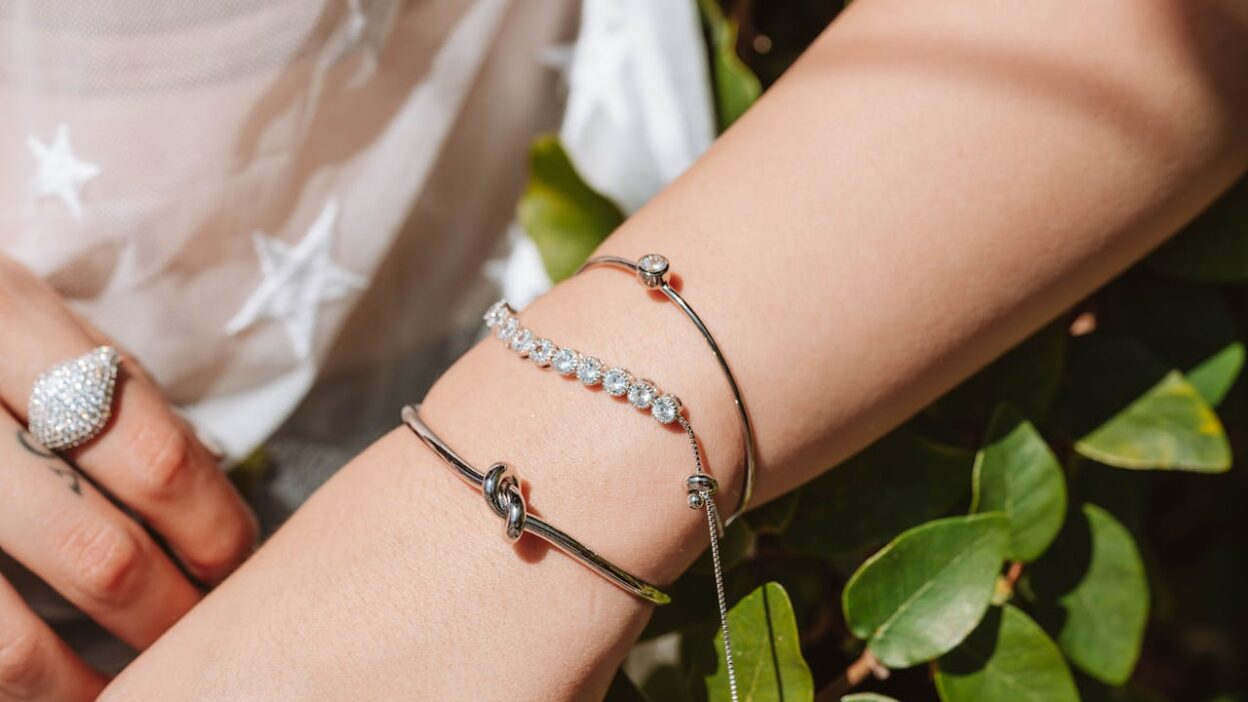
The Jewelry Test
Think about which jewelry looks better on your skin:
- Silver tends to flatter cool tones
- Gold usually suits warm tones
If both look equally good, you may be neutral. This is a simple but surprisingly accurate trick.
The Sun Reaction Test
Another way to know “what is my skin tone” is that your skin’s reaction to the sun can also reveal clues:
- If you burn quickly, you likely lean cool
- If you tan easily, you likely lean warm
This natural response is a strong indicator of the underlying tone.
The White Paper Test
Hold a plain white sheet of paper next to your face:
- If your skin looks pinkish, you may be cool-toned
- If it looks yellow or golden, you may be warm-toned
- If it looks balanced or grayish, you may be neutral
This method helps you see your natural coloring more clearly.
Read more: How to Get Rid of Textured Skin? Simple Skincare Tips
How to Determine Your Skin Undertone
Once you’ve identified your general tone for the question “What is my skin tone?”, the next step is confirming your undertone.
Cool Undertones
You likely have cool undertones if:
- Your skin has hints of pink or blue
- Silver jewelry looks best on you
- Cool colors like blue or purple suit you better
Warm Undertones
You probably have warm undertones if:
- Your skin looks golden or peachy
- Gold jewelry is more flattering
- Earthy shades like orange or brown look great on you
Neutral Undertones
If you can wear both warm and cool colors easily, you most likely have neutral undertones. This group enjoys the most flexibility with makeup shades.
Common Mistakes When Identifying Skin Tone
Many people misjudge their skin tone because they:
- Test the foundation under store lighting instead of natural light
- Assume redness automatically means cool undertones
- Forget that skin tone and undertone are different
- Choose shades based on trends instead of personal coloring
Avoiding these mistakes will make it much easier to answer what is my skin tone accurately.
Frequently Asked Questions
Can My Skin Tone Change Over Time?
Yes. Your surface skin tone can shift due to sun exposure, aging, or seasonal changes. However, your undertone usually remains the same.
Is Olive Skin Tone Warm or Cool?
Olive skin is often considered neutral, though it can lean slightly warm or cool depending on the person.
How Do I Find My Exact Foundation Shade?
Always test foundation along your jawline in natural daylight. The right shade should disappear into your skin without leaving a visible line.
Conclusion: Finding and Understanding Your True Skin Tone
Figuring out “what is my skin tone” doesn’t have to be confusing. With a little observation and a few simple tests, anyone can learn to recognize their natural coloring.
Once you understand both your tone and undertone, choosing makeup, hair colors, and clothing becomes much easier. Instead of guessing or following trends, you can make confident decisions based on what truly suits you.
Knowing the answer to “what color is my skin tone” is more than a beauty trick; it’s the foundation for looking and feeling your best every day.