

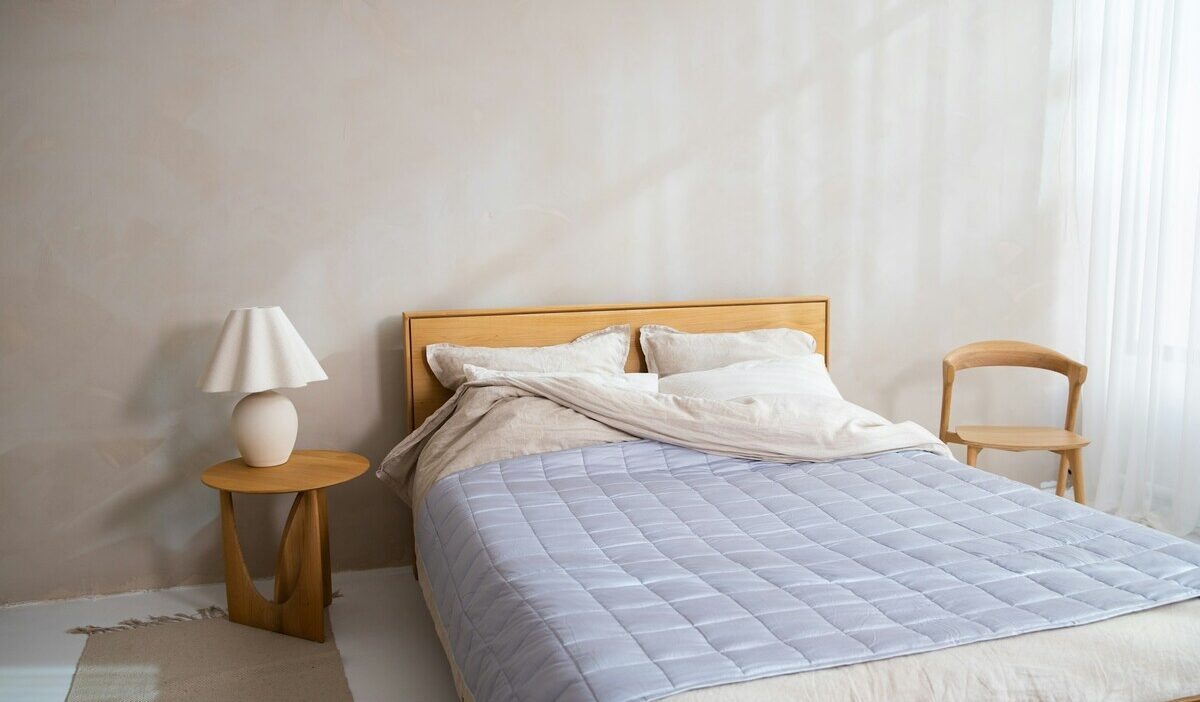
How to clean a mattress becomes a lot more urgent when stains, sweat smells, dust, or mystery marks start making the bed feel less fresh than it should.
Since a mattress cannot simply be tossed into the washer, the right method matters. With a few basic supplies and enough drying time, you can remove surface dirt, treat common stains, and make your bed feel cleaner without soaking or damaging the mattress.
Start with the steps below before that small stain turns into a bigger problem.
1. What You Need Before Cleaning a Mattress
Gather everything before starting so the process runs without interruption.
- Vacuum with upholstery attachment
- Baking soda (a full box for a queen or king size)
- Dish soap or enzyme-based cleaner
- Hydrogen peroxide (3%)*
- Cold water in a spray bottle
- White cloths or clean rags (avoid colored cloths that may transfer dye)
- A fan or open windows for airflow
*Note: Hydrogen peroxide can lighten or discolor some mattress fabrics and may damage foam or latex materials, so test it on a hidden area first and use only a small amount.
2. How Often Should You Clean or Deep Clean a Mattress?
Strip and vacuum the mattress every one to two months as part of a routine. Spot-clean stains as soon as they happen.
A full deep clean, including baking soda treatment and stain removal across the whole surface, is appropriate every six months.
If there are pets in the bed, young children, allergies, or frequent illness in the household, clean more frequently.
3. How to Clean a Mattress: Step-by-Step
The six-step routine below covers a full standard cleaning. It takes about eight to ten hours in total, most of which is dry time with no active effort required.
Step 1: Remove all bedding.
Strip the mattress completely, including sheets, mattress protector, and pillow covers. Wash them in the hottest water safe for the fabric while the mattress is being cleaned. Running both at the same time saves a full laundry cycle.
Step 2: Vacuum the mattress.
Use the upholstery attachment to vacuum the entire surface, including the sides. Work in overlapping rows rather than random passes to cover the full area. Pay extra attention to the seams and crevices where dust, skin cells, and debris accumulate most.
Step 3: Spot-clean stains.
Address any visible stains before the baking soda step. Treat each stain type with the appropriate method from the stain removal section below.
Always use cold water on mattress stains, since hot water can set protein-based stains like blood and urine permanently.
Step 4: Deodorize with baking soda.
Once stains have been treated and the surface is dry or nearly dry, sprinkle a thin, even layer of baking soda over the mattress. Leave it for at least two hours, and ideally up to eight hours if time allows. Baking soda absorbs odors and draws out residual moisture. Open a window or run a fan to speed the process.
Step 5: Let it air dry.
Airflow is essential. Open windows and run a fan pointed at the mattress. In warmer months, direct sunlight and good airflow can help the mattress dry faster, but the mattress should still be fully dry before bedding is added.
A wet or damp mattress covered with sheets invites mold and mildew, so confirm the surface is fully dry before remaking the bed.
Step 6: Vacuum again and remake the bed.
Vacuum the baking soda thoroughly once the treatment time is complete. Add a clean mattress protector, then remake the bed with freshly washed linens.
The mattress protector is worth using consistently between cleans since it significantly reduces how much moisture and debris reach the mattress surface itself.
>>>Read more: How to Clean a Microwave: Easy Methods That Actually Work in 2026
4. Removing Common Mattress Stains
Knowing how to clean a mattress stain correctly depends on what caused it. Using the wrong method, particularly hot water on protein-based stains, can make removal harder rather than easier.
Blood stains: Act quickly. Blot fresh blood with a cold, damp cloth to absorb as much as possible before it dries. Apply a small amount of hydrogen peroxide directly to the stain, wait a few minutes while it bubbles, then blot again with a clean cloth.
Urine stains: Blot up as much liquid as possible first. Mix 1 cup of 3% hydrogen peroxide, 3 tablespoons of baking soda, and a few drops of dish soap in a spray bottle. Lightly dampen the stain, let it sit, then blot and allow the area to dry fully.
Sweat stains: Mix a tablespoon of dish soap with two tablespoons of hydrogen peroxide. Apply to the yellow or brown sweat stain, leave for ten minutes, and blot clean with a cold, damp cloth. Baking soda can be applied afterward to neutralize any remaining odor.
Vomit stains: Remove solid material first with a spoon or dull knife before applying any liquid. Blot the area with cold water to dilute, then apply an enzyme cleaner or a dish soap and hydrogen peroxide mixture.
Lotion or oil stains: Sprinkle baking soda directly on the oil stain and leave it for 30 minutes to absorb the grease. Vacuum it up, then apply a small amount of dish soap with a damp cloth and work it into the remaining stain.
5. Deep Cleaning a Mattress Safely
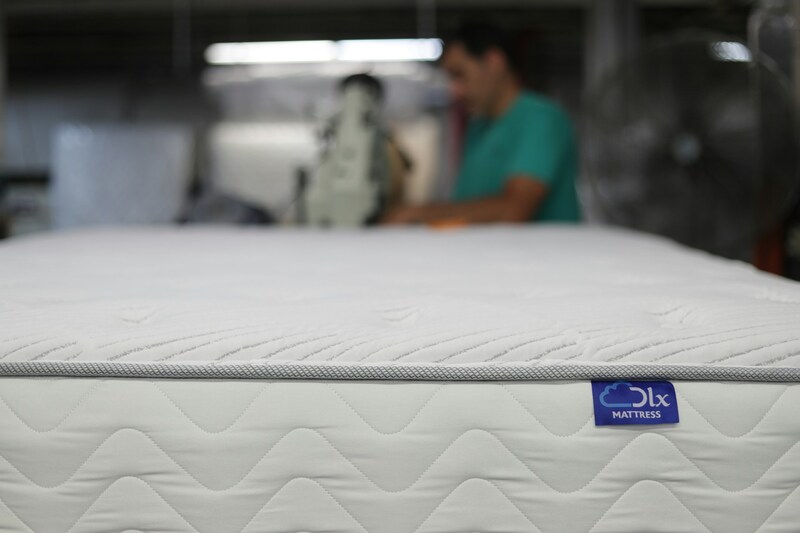
How to deep clean a mattress safely goes further than the standard routine but requires more drying time. The most important rule is keeping the mattress as dry as possible throughout.
Saturating a mattress with liquid causes moisture to reach the interior layers, where it cannot evaporate easily and can lead to mold growth.
The Sleep Foundation recommends applying cleaning solutions sparingly and in targeted areas rather than soaking the surface.
6. Mattress Care Tips to Keep It Clean Longer
A few consistent habits reduce the frequency of full cleans.
- Use a waterproof mattress protector at all times. It is the single most effective barrier against moisture, stains, and allergens reaching the mattress.
- Wash the mattress protector monthly, or immediately after any spill or illness.
- Do not eat or drink in bed, as crumbs, liquid, and odors can work down into the mattress over time.
- Air the mattress out for a few minutes after waking by pulling back the covers before making the bed. This allows moisture from body heat and sweat to evaporate rather than being trapped under the sheets.
- Rotate the mattress 180 degrees every three to six months to distribute wear evenly across the surface.
FAQs
How Long Does a Mattress Take to Dry After Cleaning?
A surface-cleaned mattress with minimal moisture applied typically dries within two to four hours with good airflow. A more heavily treated mattress or one cleaned on a humid day may need six to eight hours.
Can I Use Bleach on My Mattress?
No. Bleach damages mattress fibers, may discolor the fabric, and leaves chemical residue that is difficult to remove from a porous surface. Hydrogen peroxide (3%) is a safer alternative for sanitizing and stain treatment.
Can I Steam Clean a Mattress?
Yes, with caution. Steam sanitizes without excess liquid and is effective on dust mites and bacteria. Keep the steam head moving continuously and do not hold it in one spot.
Can You Sleep on a Mattress Right After Cleaning?
Only if it is completely dry. A mattress that feels even slightly damp should not be covered or slept on. Moisture trapped under sheets creates ideal conditions for mold and mildew growth inside the mattress.
How Often Should I Flip or Rotate My Mattress?
Most modern mattresses are one-sided and should not be flipped, as the underside is not designed for sleeping. Rotating 180 degrees every three to six months is still recommended for even wear.
Conclusion
A clean mattress does more than improve how your bed looks. It makes the place where you rest each night feel fresher, healthier, and easier to relax in.
Learning how to clean a mattress properly helps protect both your sleep space and the mattress itself, especially when spills, sweat, dust, and everyday use slowly build up over time.
With regular care and quick stain treatment, your bed can feel less like something you have to fix and more like the comfortable reset it is meant to be.