
A boiled egg seems simple until you end up with a runny yolk, a chalky center, or a shell that refuses to peel. Small details like cooking time and cooling methods can make a big difference.
If you’re wondering how to boil an egg, this guide walks you through the timing, the easiest cooking method, and practical tips for perfect results every time.
1. How Long Does It Take to Boil an Egg?
The answer to how long does it take to boil an egg depends on how you like the yolk.
- 6-7 minutes: Soft-boiled chicken eggs with a runny yolk
- 8-9 minutes: Jammy yolk with a slightly firm centre
- 10-12 minutes: Fully hard-boiled
Cooking time begins once the eggs are placed into gently boiling water. Using a timer helps produce consistent results every time.
These times are a starting point for large chicken eggs; smaller eggs, extra-large eggs, altitude, pan size, and water temperature can slightly change the result.
Food safety note: Soft-boiled eggs have runny or partially runny yolks, which may carry more risk than fully cooked eggs. FDA safe handling guidance recommends cooking eggs until both the yolk and white are firm, especially for children, pregnant people, older adults, and anyone with a weakened immune system.
2. How to Boil an Egg: The Simple Method
Learning how to boil an egg doesn’t require special equipment. Follow these simple steps for evenly cooked eggs.
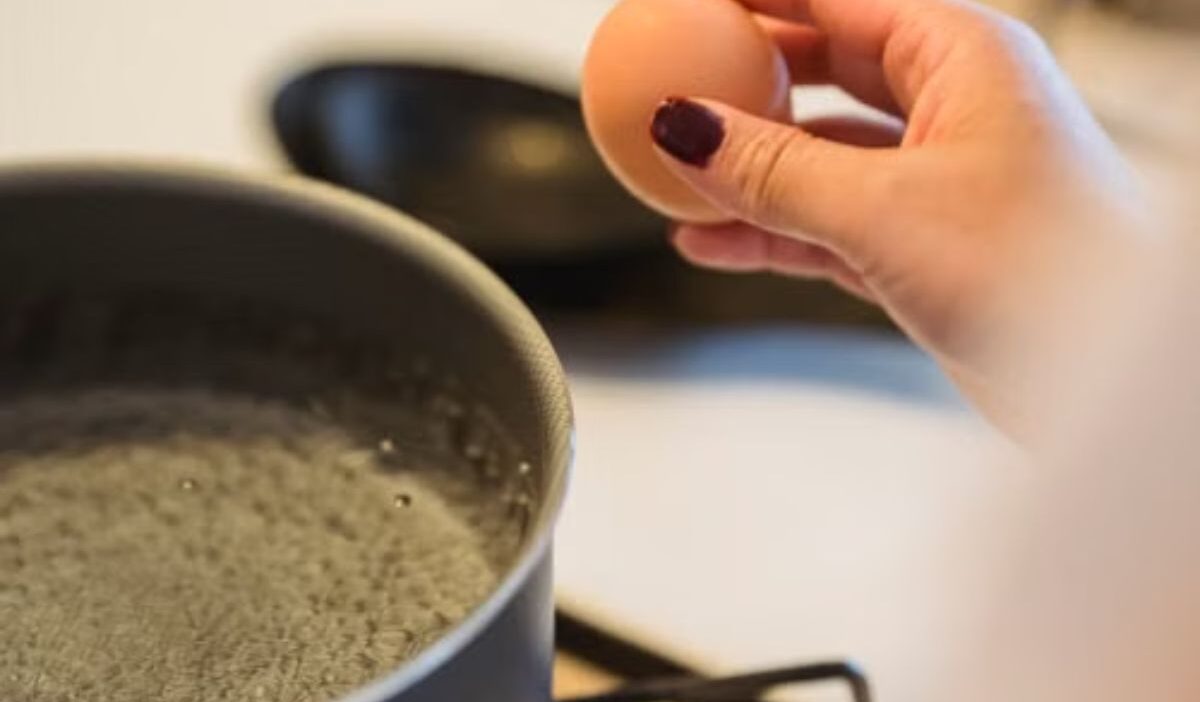
Step 1: Bring enough water to a gentle boil in a saucepan.
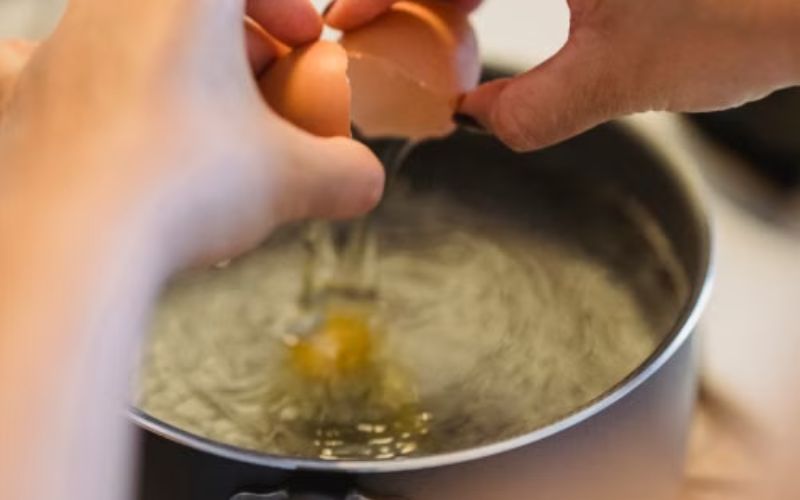
Step 2: Carefully lower the eggs into the water using a spoon to reduce the chance of cracking.
Step 3: Start your timer immediately based on your preferred yolk texture.
Step 4: When the timer ends, transfer the eggs to a bowl of ice water or very cold water for at least 5 minutes.
Step 5: Peel the eggs right away or refrigerate them in their shells for later use, and do not leave cooked eggs at room temperature for more than 2 hours.
3. Soft-Boiled Egg Method
If you’re learning how to soft boil an egg, timing is the most important factor.
Step 1: Bring a saucepan of water to a gentle boil.
Step 2: Slowly place each egg into the pot of boiling water.
Step 3: Cook for 6 to 7 minutes. If you’re wondering how long to soft boil an egg, this timing usually creates firm whites with a warm, runny yolk.
Step 4: Immediately transfer the eggs to an ice bath for 2-3 minutes to stop the cooking process.
Step 5: Gently tap the shell, peel, and serve while still warm.
Because the yolk remains runny, soft-boiled eggs are best eaten right away and may not be the safest choice for people at higher risk of foodborne illness.
>>> Read more: Starbucks Veterans Day Free Coffee: What You Must Know Today
4. Easy Peeling Tips
After learning how to boil an egg, peeling it properly is the next step. These simple techniques can help remove the shell more easily while keeping the egg smooth and intact.
Cool eggs first
Transfer the eggs to an ice bath or a bowl of cold water immediately after boiling. Cooling stops the cooking process and helps the egg white contract slightly, making it easier to separate from the shell.
Crack gently all over
Instead of making one large crack, gently tap the egg against a hard surface until small cracks cover most of the shell. This allows the shell to come off in larger pieces rather than breaking into tiny fragments.
Peel under running water
Hold the egg under cool running water while peeling. The water can slip beneath the thin membrane between the shell and the egg, helping loosen stubborn pieces and making the shell easier to remove.
Use slightly older eggs when possible
Eggs that have been refrigerated for several days are often easier to peel than very fresh eggs. As eggs age, the pH of the egg white increases, causing it to stick less tightly to the inner shell membrane.
Storage note: Hard-boiled eggs, peeled or unpeeled, should be refrigerated and eaten within 1 week after cooking.
5. Common Boiled Egg Mistakes
Even if you follow the cooking time closely, a few small mistakes can affect the texture, appearance, and ease of peeling. Avoid these common problems when learning how to boil an egg.
Boiling too aggressively
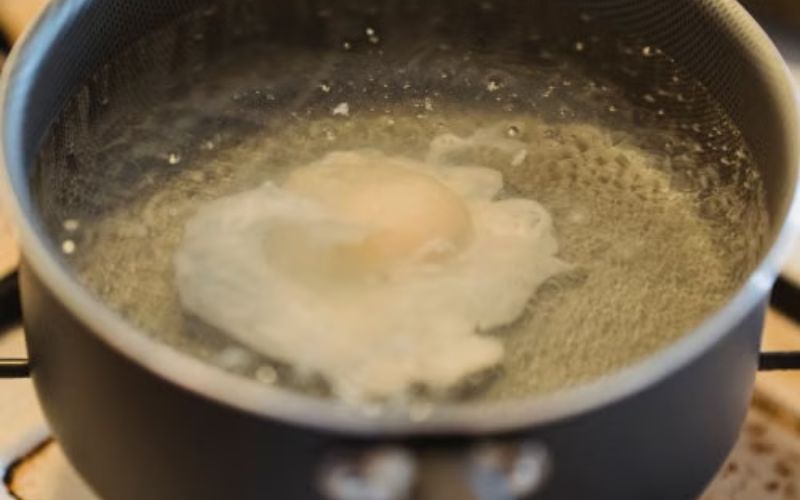
A rolling boil can cause the eggs to knock against each other or the side of the pot, increasing the chance of cracked shells. Keeping the water at a gentle boil helps the eggs cook more evenly and reduces breakage.
Skipping the cold-water bath
Placing the eggs in an ice bath immediately after cooking stops the residual heat from continuing to cook the yolk. It also makes the shells easier to peel by helping separate the egg white from the shell membrane.
Overcooking the eggs
When learning how to boil an egg, timing is just as important as the cooking method. Boiling eggs for too long can leave the yolks dry and the whites rubbery, and it may also cause a harmless grey-green ring to form around the yolk.
Using the same timing for every egg size
Small, medium, large, and extra-large eggs do not cook at exactly the same rate, and higher altitude may also affect boiling time. Adjusting the cooking time by about 30 seconds to 1 minute based on the egg size can help you achieve more consistent results.
>>> Read more: How to Remove Peanut Butter Stains From Clothes, Carpet, and More
6. FAQ
Can you boil eggs straight from the fridge?
Hard-boiled eggs can be stored in the refrigerator for up to 1 week, whether peeled or unpeeled. Keep peeled eggs in a sealed container and refrigerate cooked eggs within 2 hours after cooking.
Why did my egg crack while boiling?
A key part of how to boil an egg is knowing how to prevent the shell from cracking during cooking. Eggs can crack from sudden temperature changes or vigorous boiling, but lowering them gently into the water with a spoon can help keep the shells intact.
How long do boiled eggs last in the fridge?
Yes, boiled eggs can be stored safely in the refrigerator for up to one week if kept in their shells. Peeled eggs are best eaten within a few days and should be stored in a sealed container.
Can you reboil an undercooked egg?
Yes, if you notice right away. Return the undercooked egg to gently boiling water and cook it for a few more minutes. If the egg has been sitting out for more than 2 hours, discard it instead of reboiling.
Conclusion
Mastering how to boil an egg comes down to three simple factors: using the right cooking time, cooling the eggs immediately after boiling, and avoiding common mistakes.
Once you understand how each step affects the final result, you’ll be able to make soft-boiled or hard-boiled eggs with consistent texture and shells that are much easier to peel.