
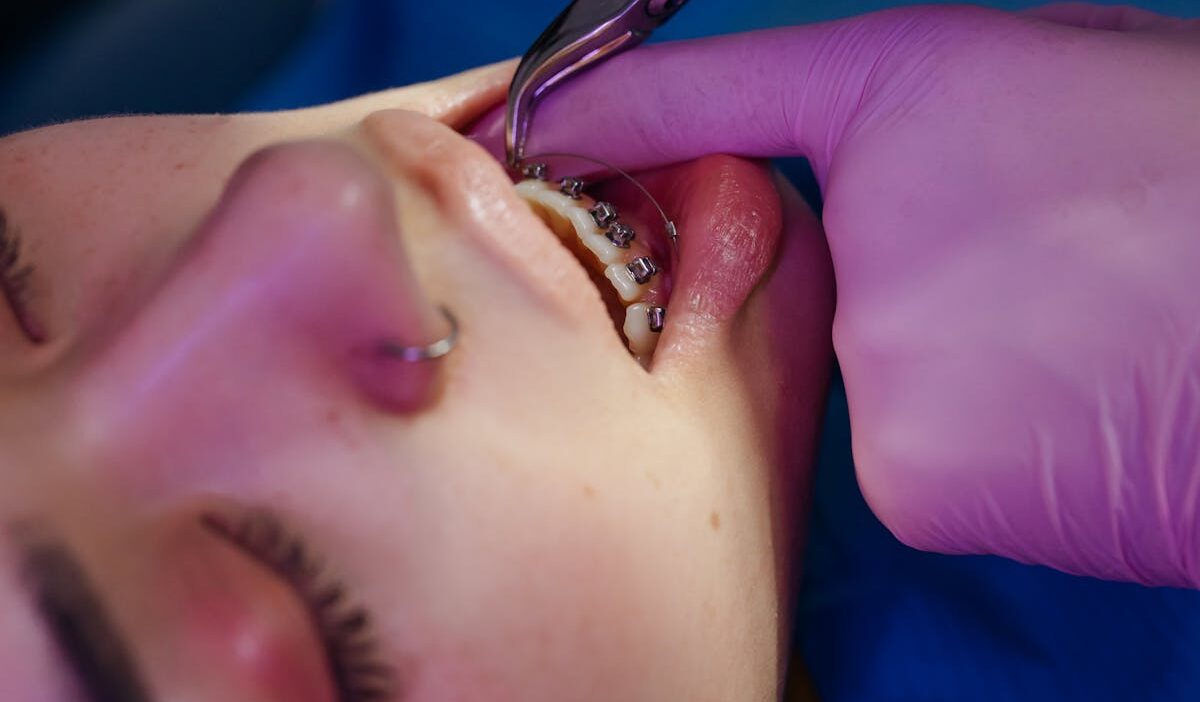
Many families ask does Medicaid cover braces when a child or teenager has tooth alignment problems that affect daily life. The step-by-step section outlines what families and providers must prepare before treatment can begin, helping readers understand requirements and timelines.
Does Medicaid Cover Braces?
The question does Medicaid cover braces depends on age, state rules, and whether orthodontic treatment meets medical standards. Medicaid does not treat braces as routine dental care. For children and teens, braces may be paid for when they are linked to a health-related condition.
For adults, coverage is limited and depends on each state’s Medicaid dental package, the same as for dental implants. Understanding does Medicaid cover braces requires checking both federal rules and state-level dental policies.
What Counts as Medical Need for Braces
- Severe bite problems that affect chewing
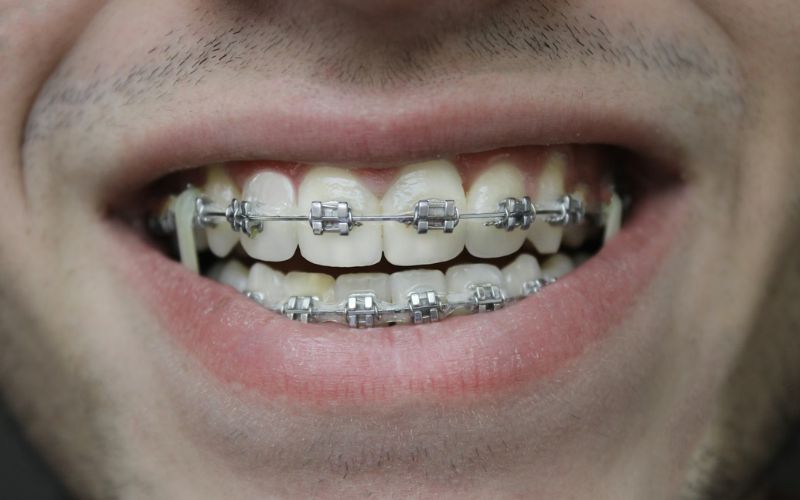
Braces may be reviewed when misaligned teeth interfere with normal chewing or cause difficulty eating. Medicaid considers whether the bite problem affects daily function rather than cosmetic alignment alone.
- Tooth position causing repeated mouth injury
Teeth that cut the lips, cheeks, or gums on a regular basis may qualify as a medical issue. Documentation usually includes photos and notes showing ongoing injury. Braces in these cases aim to reduce physical harm.
- Jaw alignment linked to pain or abnormal wear
Some bite conditions place stress on the jaw joints or cause uneven tooth wear. When records show pain, joint strain, or damage to tooth surfaces, Medicaid may review the case under medical standards.
Speech problems related to dental structure. If a licensed provider confirms that tooth position affects speech development, braces may be considered. Speech evaluation reports are often required as part of the record packet.
- Conditions tied to injury, birth differences, or disease
Braces linked to trauma, congenital conditions, or disease-related tooth loss are reviewed differently from routine orthodontic requests. These cases often involve multiple provider reports.
Medicaid Braces Coverage for Children and Teens (Under 21)
For individuals under age 21, Medicaid follows EPSDT requirements. This program allows dental services that correct conditions affecting health or function.
When braces are requested for children, Medicaid reviews whether misalignment causes problems with chewing, speech, jaw position, or risk of injury.
Cosmetic alignment alone is not enough. In many states, does Medicaid cover braces for children only after prior approval and full documentation from a licensed orthodontist.
>>> Read more: Does Medicaid Cover Vision? 5 Steps to Check Limits by State
What to Check in Your State Plan
Even when a medical need exists, approval depends on state-specific Medicaid dental rules. Before starting treatment, families should review the following points carefully.
- Whether orthodontic services are listed as a benefit
State Medicaid plans clearly list covered dental services. If orthodontics are not included, braces will not be reviewed regardless of need. This step is essential when researching “does Medicaid cover braces” in your state.
- Age limits for braces coverage
Many states restrict orthodontic benefits to children and teens under 21. Adults are often excluded unless the plan lists rare exceptions tied to health conditions.
- Required medical-need scoring tools or forms
Some states use scoring systems to measure bite severity. A minimum score may be required before braces can be approved. Missing or incomplete forms often lead to denial.
- Prior authorization requirements
Medicaid usually requires approval before treatment begins. Starting braces without written authorization can result in nonpayment, even if the case meets medical rules.
- In-network provider rules
Only certain dentists or orthodontists may submit braces requests. Using an out-of-network provider can cause automatic denial, even when treatment is medically justified.
- Appeal options after a denial
State plans explain how families can request a review if braces are denied. Understanding appeal timelines is important, especially for families asking How can I get braces if I can’t afford them? and relying on Medicaid approval.

How the Approval Process Usually Works
If you are seeking Medicaid coverage for braces, the steps below explain how the approval process works.
Step 1: Start With a Medicaid Dental Visit
A Medicaid-covered dental visit is the starting point for most cases. A general dentist may refer the patient to an orthodontist, or an in-network orthodontist may perform the first evaluation.
During this visit, the provider checks the bite, tooth position, and any health-related problems such as chewing difficulty or repeated soft-tissue injury. If your plan uses a managed care dental network, the clinic usually must be in-network for the visit to count toward the braces review.
Step 2: Build the Records Packet
The orthodontist’s office usually gathers a records packet for review. A complete packet often includes:
- X-rays (as required by the plan)
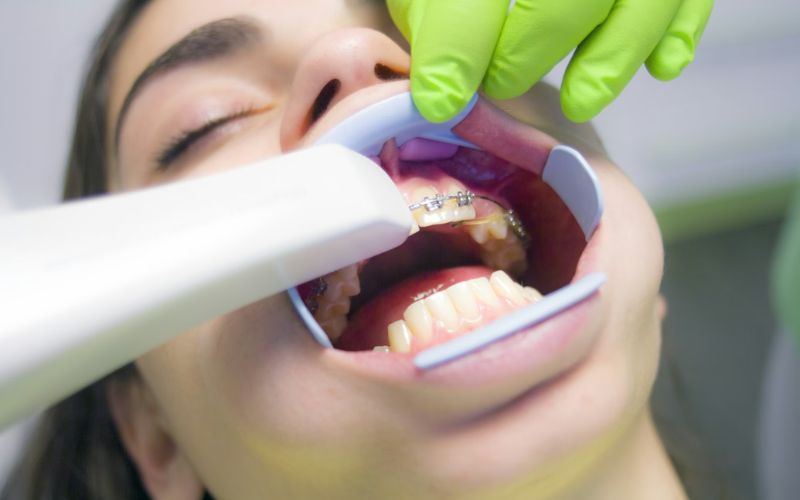
- Intraoral and extraoral photos
- Dental charting and bite notes
- A written orthodontic treatment plan
The packet is used to show how the bite affects function, not appearance. Missing items are a common reason for delays, especially when families rely on Medicaid and are asking How can I get braces if I can’t afford them? and need a timely decision.
Step 3: Complete the Medical-Need Form
Many states require a standardized form or scoring tool that measures bite severity. The orthodontist completes this form using clinical findings, measurements, and records already collected. Some plans use a minimum score threshold before they will consider coverage.
This form often plays a central role in whether does medicaid cover braces is answered “yes” for a specific case, even when the family believes the condition is serious.
Step 4: Submit Prior Authorization
Most Medicaid programs require prior authorization before braces can begin. The orthodontist submits the records packet and the medical-need form to the Medicaid dental administrator or managed care plan.
Families can ask the orthodontist’s office what was submitted and the date it was sent. In many plans, treatment that starts before prior authorization is issued may not be paid, even if it would have qualified later.
Step 5: Wait for the Review Decision
After submission, the request goes through clinical review. A dental reviewer checks whether the records match the plan’s medical standards and whether the provider and facility meet network rules.
Review timelines vary by plan. Families should keep a record of dates and any reference numbers provided by the plan or the orthodontist’s office.
Step 6: Get an Approval or Denial Notice
Medicaid or the managed care plan sends a written notice that states whether the request is approved or denied. The notice usually includes the reason for denial when a request is not approved, such as:
- The case does not meet medical criteria
- Records are incomplete
- The provider is not in-network
- Required forms were not included
This notice is the document used for the next steps, including appeals or resubmission.
Step 7: Begin Treatment After Approval
If your Medicaid is approved, the orthodontist schedules the start of treatment based on the approval date and the coverage period. Some plans approve a specific treatment type and a specific timeframe.
Before the first orthodontic appointment, confirm that the orthodontist remains in-network. Changes in network status can affect how does medicaid cover braces applies during active treatment.
Afterward: Keep Records for Retainers and Final Photos
After treatment begins, keep copies of:
- Approval letters
- Appointment summaries
- Retainer instructions and receipts
- Final photos or completion notes, when available
These records can be helpful if the plan requests proof of completion or if the patient needs replacement retainers and the plan requires documentation.
>>> Read more: Does Medicaid Cover Dental Implants? Rules & 6 Steps
Common Questions
How can I get braces if I can’t afford them?
People asking How can I get braces if I can’t afford them? Often look beyond Medicaid approval. Options may include dental schools, community clinics, or payment plans offered by orthodontic offices.
Does Medicaid Cover Braces for Adults?
In most states, adult orthodontic care is not included in standard Medicaid dental coverage. A small number of states review adult cases tied to severe health conditions, but approval is rare. For adults, does Medicaid cover braces is usually answered “no,” unless a state plan lists limited exceptions.
Conclusion
The answer to does Medicaid cover braces depends on age, state rules, and medical documentation. Children and teens may qualify when braces correct a health-related problem. Adults face stricter limits. Understanding the process reduces delays and avoids unexpected costs.