
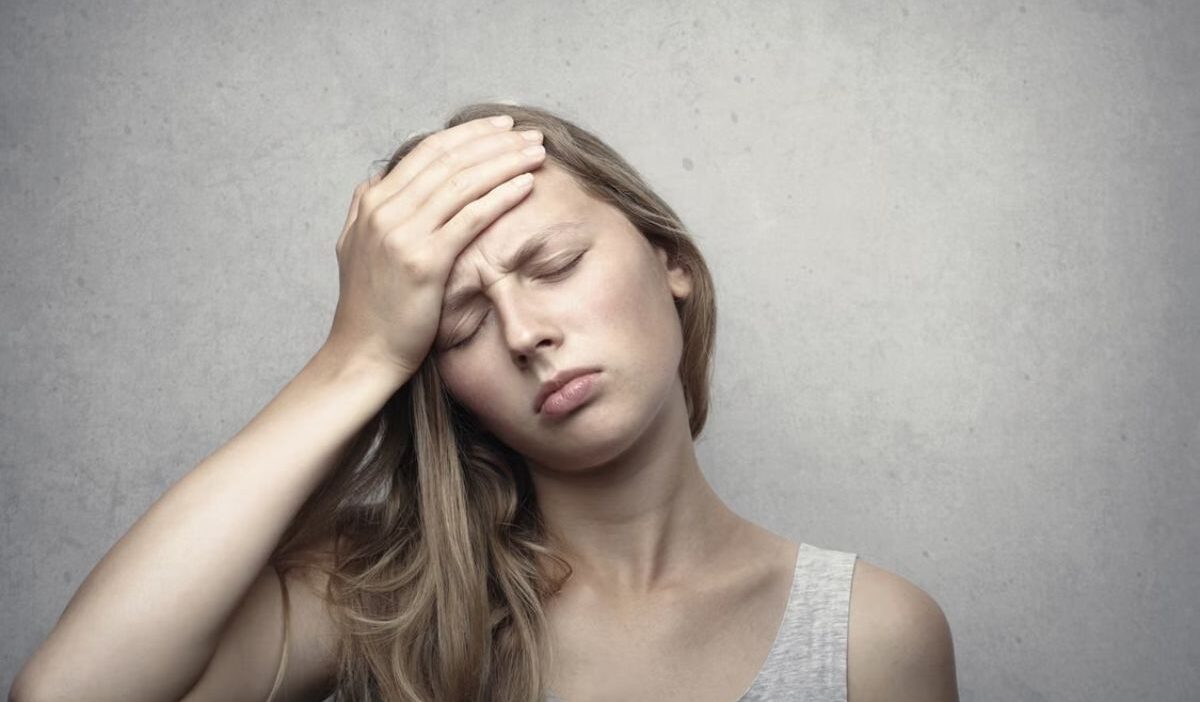
How to get rid of a headache starts with understanding what may be causing it. The same pain can come from stress, dehydration, skipped meals, sinus pressure, screen strain, or migraine-like symptoms, which is why one quick fix does not work for everyone.
Before you keep pushing through the discomfort or taking medicine without knowing the trigger, use this guide to match your symptoms with safe, practical relief steps.
1. How to Get Rid of a Headache Fast
If you’re looking for how to get rid of a headache fast, start with simple measures that address the most common triggers. Drink a glass of water, move to a quiet room, dim bright lights, and give your eyes a break from screens. If you haven’t eaten for several hours, a light snack may also help.
For tension headaches, resting for 15 to 30 minutes or taking an over-the-counter pain reliever as directed may reduce discomfort, but avoid taking pain medicine more often than the label or your healthcare provider recommends.
If the headache becomes severe, lasts unusually long, or is accompanied by other concerning symptoms, seek medical advice rather than continuing to self-treat.

2. What Can Help in 2 Minutes?
If you’re wondering how to get rid of a headache in 2 minutes, complete relief is unlikely, but you may be able to lower the discomfort while you figure out the trigger.
The same goes for people searching for how to get rid of a sinus headache instantly; the relief that can happen instantly is unlikely, but you can ease up the ache a bit.
Try drinking a few sips of water if you’ve been dehydrated, loosen tight muscles in your neck and shoulders with gentle stretches, and practice slow, deep breathing for one or two minutes.
3. Match the Fix to the Type of Headache
If you’re looking for how to get rid of a headache, the most effective solution depends on what’s causing your symptoms. The steps below cover common types of headaches and the best ways to find relief based on the underlying cause.
Tension Headache
If you’re searching for how to get rid of a sinus headache, it is helpful to identify whether the pain feels more like tension, migraine, dehydration, or sinus pressure. Tension headaches usually cause a dull, steady pressure across the forehead or around the back of the head and neck.
Step 1: Stop what you’re doing and move to a quiet place for a few minutes.
Step 2: Gently stretch your neck and shoulder muscles to release built-up tension.
Step 3: Apply a warm compress or heating pad to your neck or shoulders for 10 to 15 minutes if the pain feels related to muscle tightness.
Step 4: Drink a glass of water, as mild dehydration can make tension headaches worse.
Step 5: If the pain doesn’t improve, consider taking an over-the-counter pain reliever according to the label directions.
>>> Read more: How to Get Rid of Textured Skin? Simple Skincare Tips
Migraine-Like Headache
If you’re searching for how to get rid of a headache, it’s important to recognize the type of pain you’re experiencing. Migraine-related headaches often involve throbbing pain along with symptoms such as nausea or sensitivity to light and sound.
Step 1: Go to a dark, quiet room to reduce light and noise exposure.
Step 2: Drink water slowly to stay hydrated, especially if you’ve been sweating or haven’t had enough fluids.
Step 3: Apply a cold compress to your forehead or the back of your neck for about 15 minutes.
Step 4: Take your prescribed migraine medication or an appropriate over-the-counter pain reliever as early as possible, if recommended by your healthcare provider.
Step 5: Rest until the symptoms begin to improve, avoiding screens and other potential triggers.
If migraine-like headaches are new, severe, frequent, or different from your usual pattern, speak with a healthcare professional instead of treating them as routine headaches.
Dehydration or Hunger Headache
If you’re wondering how to get rid of a headache, dehydration or low blood sugar could be the cause. Headaches often develop after skipping meals, exercising without enough fluids, or going for long periods without eating or drinking.
Step 1: Drink one or two glasses of water or an electrolyte drink if you’ve been sweating heavily.
Step 2: Eat a balanced snack or meal that includes carbohydrates and protein, such as yogurt with fruit or whole-grain toast with peanut butter.
Step 3: Sit down and give your body 20-30 minutes to recover.
Step 4: Avoid alcohol while you rehydrate. Use caffeine carefully, since it may help some headaches but can trigger or worsen headaches for some people.
Step 5: If the headache doesn’t improve after eating and drinking or keeps returning, consider speaking with a healthcare professional to identify the underlying cause.

4. Sinus Headache Relief
Before treating it as a sinus headache, check the symptoms carefully. Many headaches people call “sinus headaches” are actually migraine attacks, especially when the pain comes with nausea, light sensitivity, sound sensitivity, or throbbing pain.
If you’re looking for how to get rid of a headache, it’s worth considering whether your symptoms are related to your sinuses.
A headache with nasal congestion, facial pressure, thick nasal drainage, reduced smell, or pain around the cheeks, eyes, or forehead may be related to sinus inflammation, allergies, or a sinus infection.
Step 1: Drink plenty of water throughout the day to help thin mucus and promote sinus drainage.
Step 2: Use a saline nasal spray or saline rinse to clear your nasal passages and reduce congestion. If using a rinse bottle or neti pot, use only distilled, sterile, or previously boiled and cooled water.
Step 3: Inhale warm, moist air from a shower or a safe steam source for 5 to 10 minutes, being careful to avoid burns. This can help loosen mucus and relieve sinus pressure.
Step 4: Apply a warm compress to your forehead, cheeks, and the bridge of your nose for 10-15 minutes to encourage drainage and reduce facial discomfort.
Step 5: To help with how to get rid of a headache, rest with your head slightly elevated. This position may improve sinus drainage and reduce pressure.
Step 6: If symptoms are caused by allergies, consider using allergy medication or other treatments recommended by your healthcare provider. If the headache lasts more than a few days, is accompanied by a high fever, or continues to worsen, seek medical attention.
5. What Not to Do When You Have a Headache
If you’re trying to figure out how to get rid of a headache, avoiding certain habits is just as important as treating the pain. Some everyday behaviors can make headaches last longer or increase the chances of them coming back.
Do not keep staring at screens without breaks: Bright screens and prolonged eye strain can worsen headaches, especially if you’ve been working for several hours.
Do not skip meals: Low blood sugar is a common headache trigger. Eating regular, balanced meals helps maintain stable energy levels.
Do not drink alcohol: Alcohol can contribute to dehydration and may trigger or worsen headaches in some people.
Do not overuse pain relievers: Taking headache medication too often may lead to medication-overuse headaches. If you need headache medicine more than twice a week, consider speaking with a healthcare professional.
Do not ignore sudden or unusual symptoms: If you’re searching for how to get rid of a headache, remember that a sudden, severe headache-especially with confusion, weakness, vision changes, difficulty speaking, or a high fever-requires immediate medical attention rather than home treatment.
>>> Read more: How to Avoid Medicaid 5 Year Lookback
6. When a Headache Needs Medical Attention
If you’re looking for how to get rid of a headache, it’s also important to know when home treatment isn’t enough. While most headaches improve on their own, certain symptoms require prompt medical attention.
- A sudden, severe headache
A headache that reaches its worst intensity within seconds or minutes may be a medical emergency and should be evaluated immediately.
- A headache after a head injury
Even if the pain seems mild at first, a headache following a fall, accident, or blow to the head could indicate a concussion or internal bleeding.
- Headache with neurological symptoms
Seek immediate medical attention if your headache is accompanied by weakness, numbness, confusion, difficulty speaking, vision changes, or seizures, as these symptoms may indicate a stroke or another serious neurological condition.
- Headache with fever, stiff neck, rash, or vision loss
A severe headache with a very high temperature, stiff neck, rash, bright-light sensitivity, or loss of vision needs urgent medical attention.
7. FAQs
What drink gets rid of a headache?
Water is often the best choice, especially if dehydration is contributing to the headache. Drinks containing electrolytes may also help after prolonged sweating or illness, while some people find a small amount of caffeine helpful for certain headache types.
Is it better to use heat or ice for a headache?
It depends on the headache type. A cold pack may help migraine-like pain, while warmth may help tension headaches linked to tight neck or shoulder muscles. For sinus pressure, a warm compress over the nose and forehead may feel more helpful.
What should you avoid when you have a headache?
Avoid skipping meals, drinking alcohol, spending long periods looking at screens without breaks, and taking pain relievers more often than recommended. These habits can make headaches worse or increase the chance they’ll return.
Why does my headache keep coming back?
Recurring headaches may be linked to stress, poor sleep, dehydration, medication overuse, eye strain, or an underlying medical condition. If headaches happen frequently or become more severe over time, consult a healthcare professional to determine the cause.
Conclusion
Headaches are easy to dismiss, but they often tell you something about what your body needs. Rest, hydration, food, less screen time, or the right compress can make a difference when the cause is simple.
Learning how to get rid of a headache starts with paying attention to the pattern, not just the pain. If the headache feels sudden, severe, unusual, or keeps coming back, it is safer to get medical advice instead of trying to manage it alone.